
Math Bridge Cambridge: History, Location, Tickets and Visitor Guide
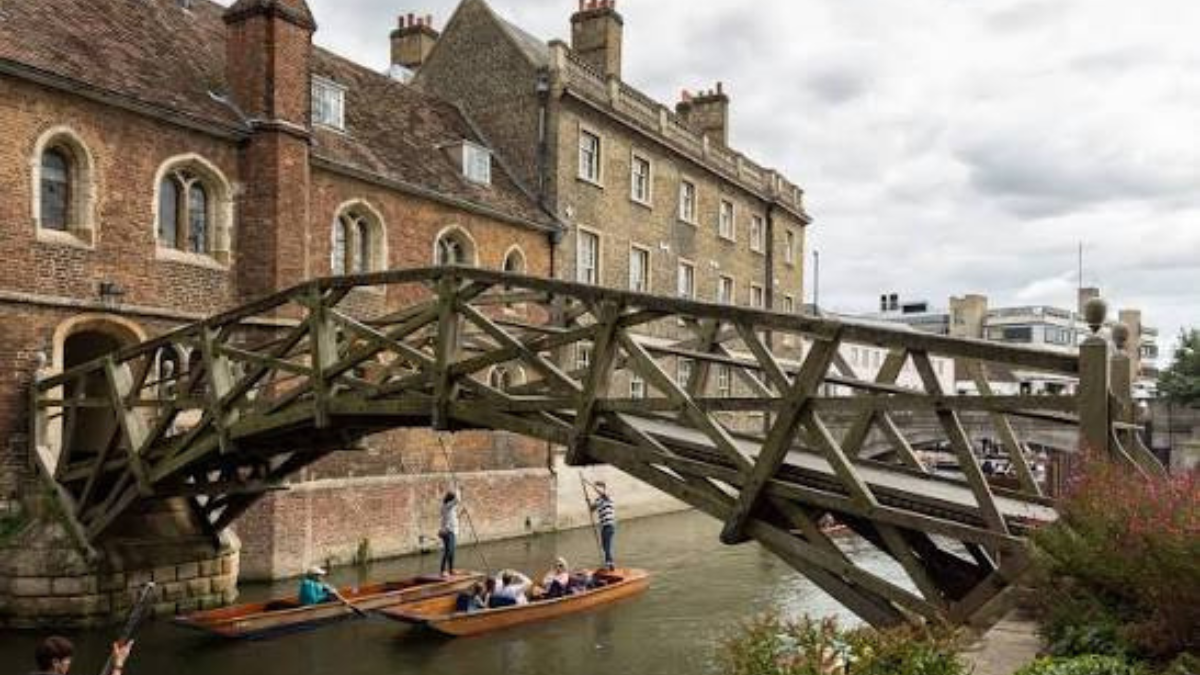
Math Bridge Cambridge is one of the most recognisable historic landmarks in Cambridge, England, attracting visitors with its distinctive wooden construction, fascinating engineering and picturesque position over the River Cam. Located at Queens’ College, this celebrated footbridge offers a glimpse into the city’s rich university heritage. Whether you are planning a sightseeing trip, exploring historic architecture or searching for beautiful photography spots, this landmark deserves a place on your itinerary.
What makes Math Bridge Cambridge particularly interesting is its unusual appearance. The bridge looks like a graceful wooden arch, yet its structure consists of carefully arranged straight timbers. Built in the eighteenth century, it has inspired stories about mathematics, geometry and traditional craftsmanship. Understanding its history, location, visitor arrangements and nearby attractions will help you plan a rewarding visit to one of Cambridge’s most distinctive sights.
What Is the Mathematical Bridge in Cambridge?
Math Bridge Cambridge refers to the famous Mathematical Bridge, a historic wooden footbridge connecting parts of Queens’ College across the River Cam. Its unusual geometric construction distinguishes it from conventional bridges and demonstrates how traditional carpentry can combine practical engineering with attractive design. The structure is also associated with the names Wooden Bridge and Queens’ Bridge, although its popular name remains the one most visitors recognise.
Visitors appreciate Math Bridge Cambridge for its timber framework, historic surroundings and peaceful riverside atmosphere. Its distinctive appearance attracts tourists, students, photographers and architecture enthusiasts throughout the year. Even without specialist knowledge of mathematics or engineering, you can appreciate the craftsmanship involved in its construction. The bridge also provides an excellent opportunity to discover the university city’s architectural heritage while exploring its historic colleges and picturesque waterways.
History of the Mathematical Bridge
The history of Math Bridge Cambridge dates back to the eighteenth century. William Etheridge designed the bridge in 1748, and James Essex the Younger constructed it in 1749. The structure provided a crossing between parts of Queens’ College, helping connect areas of the historic institution while introducing a distinctive architectural feature to its riverside setting.
Over the centuries, Math Bridge Cambridge has undergone repairs and rebuilding to preserve its original design. Repairs took place in 1866, followed by rebuilding in 1905. Consequently, the present structure retains the character of the original engineering concept rather than consisting entirely of eighteenth-century materials. Its continuing presence illustrates the importance of preserving historic buildings and structures as part of Cambridge’s cultural and architectural heritage.
Why Is the Mathematical Bridge Famous?
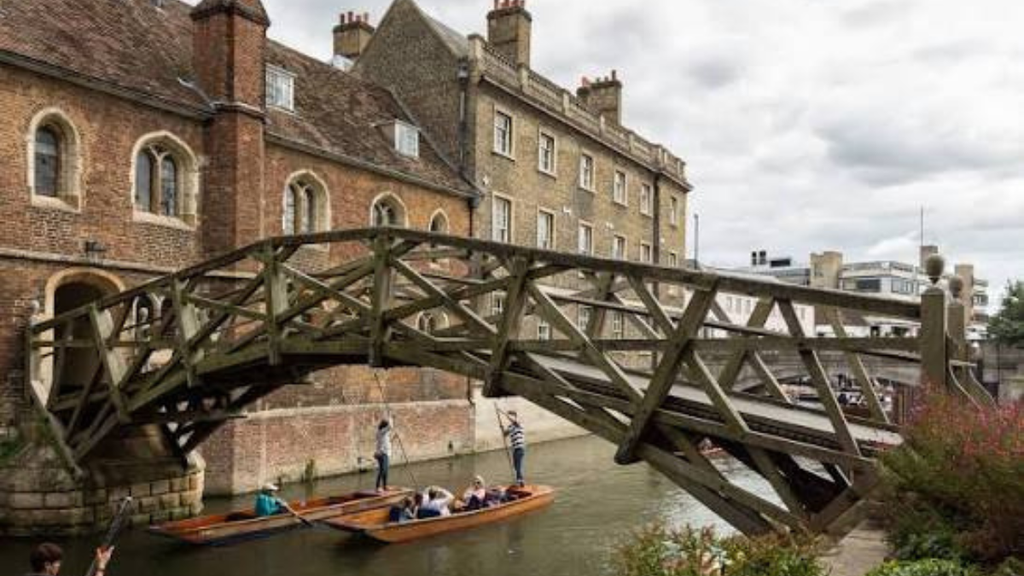
Math Bridge Cambridge is famous for its unusual appearance and the engineering principles behind its construction. Its straight wooden timbers are arranged in a carefully calculated pattern that creates the impression of a curved arch. This distinctive design has attracted generations of curious visitors and made the bridge a familiar feature of Cambridge travel guides, university photographs and discussions about historic engineering.
Another reason Math Bridge Cambridge attracts attention is the collection of myths surrounding its construction. One popular story claims that Isaac Newton designed it, while another suggests it was originally assembled without nails or bolts. However, these claims are not supported by historical evidence. Newton died in 1727, well before the bridge was constructed, and the original structure used mechanical fixings. The documented history is fascinating without relying on these legends.
Mathematical Bridge Design and Engineering
Math Bridge Cambridge demonstrates how geometry and traditional carpentry can work together to create a practical structure. Its timber members follow carefully arranged radial and tangential lines, forming a framework that resembles an arch. Rather than relying on one large curved beam, the design uses straight pieces positioned to work together. This combination of geometric planning and craftsmanship gives the bridge its distinctive appearance.
Measuring approximately 50 feet 8 inches, or 15.44 metres, the bridge provides an interesting example of historic engineering. Its framework demonstrates the relationship between craftsmanship, structural stability and visual design. Visitors can observe the overall shape from a distance or examine the timber arrangement more closely from an appropriate viewpoint. For engineering enthusiasts, Math Bridge Cambridge offers a reminder that impressive architectural designs do not always depend on modern materials or technology.
Where Is Math Bridge Cambridge Located?
Math Bridge Cambridge is situated at Queens’ College, Silver Street, Cambridge, CB3 9ET, United Kingdom. It crosses the River Cam near Silver Street Bridge and sits within the historic university environment. Its central position makes it possible to combine a visit with nearby attractions, including riverside walking routes, historic college buildings and other landmarks in Cambridge’s city centre.
Visitors arriving by train can continue towards the centre by bus, taxi or on foot, depending on their preferred route. Those travelling by car should check local parking arrangements in advance because spaces near historic colleges can be limited. Remember that Math Bridge Cambridge stands within college grounds, where access may be restricted. Confirm the current visitor arrangements before planning to enter the college or walk directly across the bridge.
Math Bridge Cambridge Tickets and Admission Prices
Visitors should distinguish between viewing Math Bridge Cambridge from an accessible public viewpoint and entering Queens’ College. Admission to the college may require a ticket, and entry conditions can change according to university activities, special events or maintenance. Before travelling, check the college’s official visitor information for current prices, opening hours and restrictions that could affect your plans.
The official Queens’ College visitor information page is the best starting point for planning your visit. Confirm whether the college is open on your chosen date and whether access to Math Bridge Cambridge is included in the admission arrangements. If entry is unavailable, you may still be able to enjoy the surrounding area from an accessible public viewpoint or see the bridge from a suitable punting route along the River Cam.
Opening Times and the Best Time to Visit
Queens’ College has published visitor hours of 10 am to 4 pm, although access can vary during examinations, university events, holidays and special occasions. These hours should not be treated as a guarantee that every part of the college grounds will always be accessible. Checking the official website shortly before departure is a sensible precaution, particularly if you are visiting Cambridge for a limited time.
Morning visits may provide a more relaxed sightseeing experience, although visitor numbers depend on the season and day of the week. Spring and summer bring attractive greenery to the riverside, while autumn creates colourful views around the historic buildings. Weather conditions can influence photography and walking plans, so allow flexibility in your itinerary. Giving yourself enough time to explore Math Bridge Cambridge and nearby attractions will make the visit more enjoyable than rushing through the area.
Things to See and Do Near the Mathematical Bridge
Queens’ College is a natural starting point for exploring the area, subject to its visitor access arrangements. The college’s historic setting provides an introduction to Cambridge’s long academic tradition, while nearby riverside paths offer opportunities to appreciate the city’s architecture and scenery. The Backs, known for its views of historic university buildings and green spaces, is another attractive area to include in your sightseeing itinerary.
A punting tour along the River Cam is a popular way to discover Cambridge from the water. Depending on the route, visitors may see Math Bridge Cambridge alongside other historic bridges and college buildings. You can also explore the city centre on foot, stop at cafés and independent shops, or visit additional university landmarks. Combining these activities makes it easier to turn a short visit into a fuller Cambridge experience.
Photography Tips for the Mathematical Bridge
Math Bridge Cambridge is an excellent subject for photography because of its distinctive wooden framework and riverside position. Choose an accessible viewpoint that shows the timber arrangement and the bridge’s arch-like appearance. Wider photographs can include the River Cam and surrounding architecture, while closer compositions can highlight the individual wooden members. The contrast between traditional construction and the historic setting creates plenty of opportunities for interesting travel photographs.
Natural light can enhance the wooden structure and river reflections, particularly when the weather is clear. Early morning may offer a quieter atmosphere, although conditions vary throughout the year. If you are visiting during a busy period, be patient and avoid obstructing pathways while taking photographs. Always follow college rules and respect restricted areas. Visitors taking a punting tour should check whether the route passes Math Bridge Cambridge and provides suitable photography opportunities.
Is the Mathematical Bridge Worth Visiting?
Math Bridge Cambridge is worth considering for anyone interested in historic architecture, engineering or the heritage of Cambridge University. Its appeal comes from the combination of unusual design, historical significance and picturesque surroundings. Unlike larger attractions that require several hours to explore, the bridge can be appreciated during a shorter stop, making it a convenient addition to a walking tour or a day spent discovering the city.
However, visitors should have realistic expectations. The bridge itself is relatively small, and access may depend on Queens’ College opening arrangements. If you cannot enter the grounds, your viewing options may be limited to accessible surrounding areas or suitable river tours. For the most rewarding experience, combine Math Bridge Cambridge with a walk around The Backs, a college visit where permitted or a punting trip along the River Cam.
Practical Visitor Tips
Planning ahead will help you make the most of your visit to Math Bridge Cambridge. Check Queens’ College opening times, admission charges and visitor restrictions before travelling. Wear comfortable shoes if you intend to explore the surrounding streets and riverside paths, and allow extra time if you are arriving by public transport. If you are driving, research parking options in advance rather than expecting to find a space close to the bridge.
Remember that Queens’ College remains an academic institution as well as a historic attraction. Follow signs, respect restricted areas and check photography rules before taking pictures within the grounds. If you are interested in seeing Math Bridge Cambridge from the river, compare local punting tours and confirm their routes before booking. These simple preparations can help you enjoy the landmark while respecting its historic setting and the people who study and work there.
Conclusion
The Mathematical Bridge combines eighteenth-century craftsmanship, geometric design and the beautiful riverside scenery that makes Cambridge such a popular destination. Designed by William Etheridge and built by James Essex the Younger in 1749, it remains one of the city’s most recognisable historic structures. Its unusual timber framework and fascinating engineering story continue to attract visitors interested in architecture, history and traditional construction techniques.
Whether you are planning a university-themed sightseeing trip or simply exploring Cambridge for the day, Math Bridge Cambridge is a worthwhile landmark to include. Check Queens’ College visitor arrangements before setting out, then combine your visit with nearby historic buildings, riverside walks or a punting tour. With a little preparation, you can appreciate both the bridge’s engineering and the wider charm of this historic English city.
Frequently Asked Questions
What is Math Bridge Cambridge?
It is a historic wooden footbridge at Queens’ College that crosses the River Cam and is known for its distinctive geometric design.
Who designed the Mathematical Bridge?
William Etheridge designed the bridge in 1748, and James Essex the Younger constructed it in 1749.
Why is the bridge called the Mathematical Bridge?
Its popular name refers to the geometric arrangement of its wooden timbers and the engineering principles behind its unusual appearance.
Can visitors walk across Math Bridge Cambridge?
Access depends on Queens’ College visitor arrangements. Check the official college website before planning to cross it.
Is Math Bridge Cambridge free to visit?
Entering Queens’ College may require a ticket. Whether you can view the bridge without entering the grounds depends on the accessible public viewpoints available.
How long should I spend visiting the bridge?
Around 15–30 minutes may be sufficient to appreciate the bridge, although you should allow longer if you plan to explore nearby attractions.
Can I see Math Bridge Cambridge on a punting tour?
Some punting routes offer views of the bridge from the River Cam. Confirm the route with your chosen operator before booking.
Is Math Bridge Cambridge worth visiting?
Yes. It is a worthwhile stop for visitors interested in historic architecture, engineering, university heritage and the riverside scenery of Cambridge.
Also Read: cape of good hope warwick