
The Spanish Steps: History, Location and Complete Visitor Guide
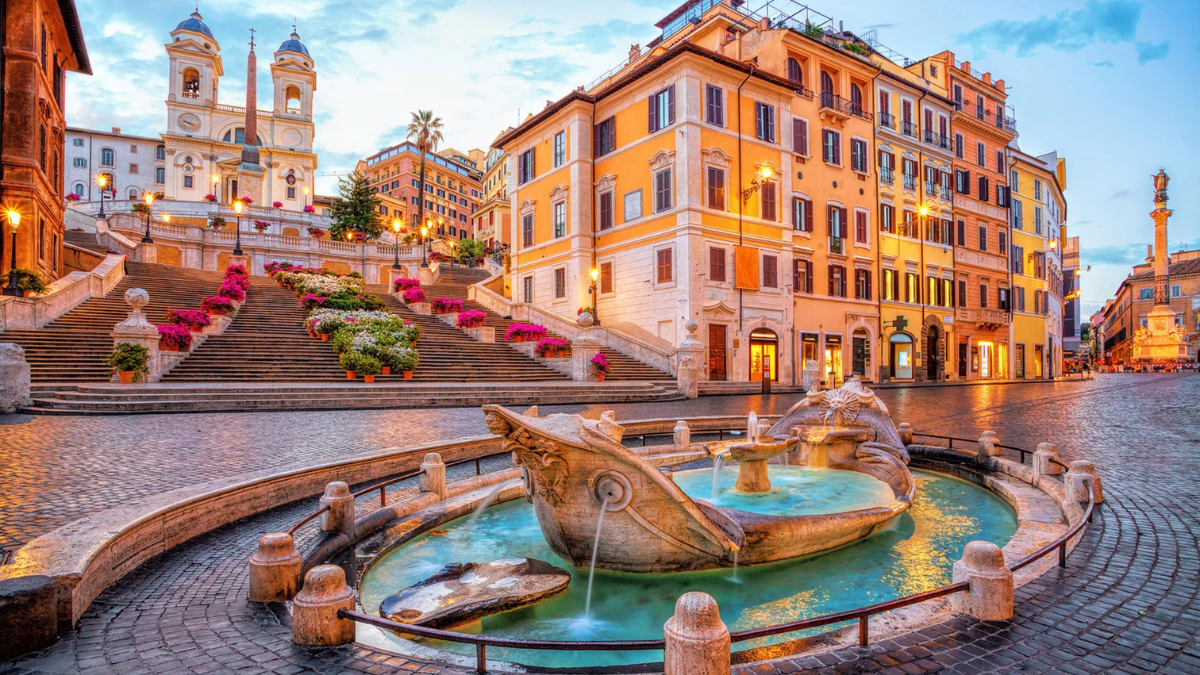
The Spanish Steps are among the most famous landmarks in Rome, Italy, attracting visitors with their elegant architecture, fascinating history and lively surroundings. Situated in the heart of the Italian capital, this remarkable staircase connects Piazza di Spagna with the Church of Trinità dei Monti. Whether you are interested in historical monuments, beautiful photography or exploring European cities, this attraction offers an excellent opportunity to experience Rome’s distinctive character.
Planning a visit involves more than simply taking photographs of a famous staircase. The surrounding neighbourhood features historic fountains, fashionable shopping streets, charming cafés and several other attractions worth discovering. Understanding the landmark’s origins, location and visitor rules can help you make the most of your trip. This guide explores everything visitors should know, from the number of steps to the best visiting times and nearby places to explore.
Where Are the Spanish Steps?
The Spanish Steps are located at Piazza di Spagna, 00187 Rome, Italy, in the city’s historic centre. The staircase climbs the hillside between the square below and the Church of Trinità dei Monti above. Its central position makes it a convenient attraction for travellers exploring Rome on foot, particularly those planning to visit several famous landmarks during a short city break.
The nearest Metro station is Spagna on Line A, providing convenient access to the surrounding square. Visitors can also reach the area by walking from nearby attractions, including the Trevi Fountain and Via del Corso. Exploring the neighbourhood on foot allows travellers to discover elegant buildings, traditional Italian cafés and fashionable boutiques, making the journey itself an enjoyable part of the sightseeing experience.
Why Are the Spanish Steps Called the Spanish Steps?
The name comes from Piazza di Spagna, the square situated at the bottom of the staircase. The area has historic connections with Spain’s diplomatic presence in Rome, including the Spanish Embassy to the Holy See. Although the name might suggest that the staircase was built by Spanish architects, its history is more complicated, involving French funding, Italian design and the religious importance of the church overlooking the square.
The surrounding area reflects the cultural relationships that shaped Rome throughout the eighteenth century. The Church of Trinità dei Monti has strong French connections, while Piazza di Spagna became associated with Spain. The staircase was designed to connect these historically significant locations through an impressive architectural feature. Today, its familiar name reflects the identity of the square rather than the nationality of the architect who designed the monument.
The History of the Spanish Steps in Rome

The history of the Spanish Steps dates back to the early eighteenth century, when Rome was an important European centre for religion, art, architecture and diplomacy. The steep hillside between Piazza di Spagna and the church above created a challenge for pedestrians. A grand staircase offered a practical solution while providing an attractive public space that complemented the surrounding historic buildings.
Italian architect Francesco de Sanctis designed the staircase, which was constructed between 1723 and 1725. The project was supported by French diplomatic funding associated with Étienne Gueffier’s legacy. Its completion transformed the hillside into a remarkable architectural feature, incorporating curved sections, terraces and carefully arranged flights of steps. Over the following centuries, the landmark became increasingly popular among artists, writers, travellers and local residents exploring the city.
Why Are the Spanish Steps Famous?
The Spanish Steps are famous for their distinctive Baroque design, historical significance and prominent position in central Rome. Unlike an ordinary straight staircase, the structure features sweeping curves, terraces and multiple flights that create a dramatic visual effect. The pale stone contrasts beautifully with the surrounding architecture, while the elevated church provides an impressive backdrop for visitors interested in history, design and photography.
Another reason for their popularity is the lively atmosphere of Piazza di Spagna. Visitors arrive throughout the day to admire the architecture, explore nearby streets and enjoy the surrounding shopping district. The landmark also appears frequently in travel photography and popular culture, strengthening its international reputation. For many tourists, visiting this famous staircase is an essential part of discovering Rome beyond its ancient ruins, archaeological sites and world-renowned museums.
How Many Steps Are There at the Spanish Steps?
The staircase is commonly described as having 135 steps, arranged in an elegant combination of flights, curves and terraces. Constructed from travertine stone, its unusual layout follows the natural shape of the hillside while creating a visually impressive route towards the church above. This carefully planned design makes the structure an architectural attraction in its own right rather than simply a convenient way to climb between two different levels.
Reaching the top provides an opportunity to admire the surrounding rooftops and look down towards Piazza di Spagna. Visitors can appreciate the staircase’s overall composition from the square before exploring the streets above. Comfortable footwear is recommended because the steps can become slippery in wet weather. Remember that sitting on the staircase is prohibited under local regulations, so visitors should choose an appropriate nearby location when they need to rest.
What Can You See at the Spanish Steps?
One of the main attractions is the Church of Trinità dei Monti, which stands prominently above the staircase. Its historic façade and elevated position contribute to the distinctive appearance of the entire area. At the bottom, Piazza di Spagna provides a spacious setting for admiring the architecture and observing everyday life in one of Rome’s best-known neighbourhoods.
The Fontana della Barcaccia is another highlight, standing in the square beneath the staircase. This boat-shaped fountain was created by Pietro Bernini and his son Gian Lorenzo Bernini, adding an artistic feature to the historic surroundings. Visitors interested in literature can also explore the nearby Keats-Shelley House, dedicated to Romantic poets. Together, these attractions make the neighbourhood worth exploring at a relaxed pace rather than treating it as a quick photography stop.
Best Time to Visit the Spanish Steps
Early morning is an excellent time to visit if you prefer a quieter atmosphere and better opportunities for photography. The surrounding streets are often less crowded, allowing you to appreciate the architectural details without as many people in your pictures. Morning light can also highlight the pale stonework and historic buildings, creating attractive conditions for photographs and a more peaceful introduction to this popular part of Rome.
Late afternoon and evening offer a different experience, with changing light and a lively atmosphere around the square. Spring is often appealing for comfortable sightseeing weather, while summer can bring higher temperatures and larger crowds. Autumn may provide pleasant conditions for walking, although the weather varies. Whatever season you choose, check the forecast before travelling and allow extra time if your visit falls during a busy holiday period.
Are the Spanish Steps Free to Visit?
Access to the outdoor staircase and Piazza di Spagna is generally free, making the attraction suitable for travellers with different budgets. Visitors can admire the architecture, explore the square and walk up the staircase without purchasing a standard admission ticket. Its accessibility also makes it easy to include the landmark in a wider walking tour of central Rome alongside other historic sites and public spaces.
However, organised walking tours and some nearby attractions may charge separate admission fees. Visitors interested in literary history, for example, can check the admission arrangements for the Keats-Shelley House. Guided experiences may also combine the staircase with the Trevi Fountain, the Pantheon or other famous landmarks. Check official information before your trip if you intend to visit indoor attractions or book an organised experience.
Rules and Visitor Etiquette at the Spanish Steps
Visitors should understand Rome’s rules for protecting its historic monuments before arriving. Sitting or lying on the Spanish Steps is prohibited, and eating or drinking on the staircase is also restricted. These regulations help preserve the stonework and maintain the appearance of a landmark that attracts large numbers of visitors. Tourists can still admire the structure, walk along permitted routes and take photographs while respecting the surrounding environment.
Avoid leaving litter, damaging the stone or obstructing pathways with luggage. Follow instructions from local authorities and observe any temporary restrictions introduced for maintenance or crowd management. If you need a break, choose an appropriate place nearby rather than using the staircase as a bench. Respecting the monument helps protect Rome’s architectural heritage and ensures that future visitors can continue enjoying this historic attraction.
Things to Do Near the Spanish Steps
The surrounding neighbourhood offers plenty of opportunities to extend your visit. The Trevi Fountain is a popular destination within walking distance, while Piazza del Popolo provides another impressive public square to explore. Visitors interested in shopping can stroll along Via Condotti, known for its luxury boutiques and elegant storefronts. Combining these locations allows travellers to discover Rome’s architecture, shopping culture and lively street scenes during the same outing.
Villa Borghese Gardens are another excellent choice for visitors seeking green spaces after exploring the busy streets. The Pantheon can also be included in a wider sightseeing itinerary, although you should allow sufficient time to enjoy each attraction. Comfortable walking shoes are useful because the historic centre is particularly rewarding on foot. Planning a sensible route beforehand can reduce unnecessary backtracking and leave more time for photography, cafés and unexpected discoveries.
How to Get to the Spanish Steps
The easiest public transport option is the Spagna station on Rome’s Metro Line A. From there, visitors can reach Piazza di Spagna and the staircase with a short walk. Travellers staying in central Rome may find walking particularly convenient because the surrounding neighbourhood connects with several popular sightseeing routes, historic streets and shopping areas.
If you are arriving from Rome’s main railway station or one of its airports, check the available transport connections before setting out. Depending on your starting point, the journey may involve a train, Metro service, bus or taxi. Public transport is often useful when navigating the busy city centre, where driving can be inconvenient. Checking current routes, fares and service updates will help you plan a straightforward journey.
Practical Tips for Visiting the Spanish Steps
A little preparation can make your visit more comfortable. Wear suitable walking shoes, carry water when exploring Rome and keep personal belongings secure in crowded areas. If photography is important to you, consider arriving early to enjoy clearer views. Take time to admire the staircase from Piazza di Spagna before exploring the upper area, as the overall architectural design is particularly impressive when viewed from below.
Visitors with mobility requirements should investigate accessible routes and available assistance before travelling because the staircase itself involves numerous steps. Families with young children should remain attentive in busy areas, while summer visitors should plan around high temperatures. Check local regulations before your visit and allow time to explore the surrounding neighbourhood. A thoughtful approach will help you enjoy the landmark while respecting its historical importance.
Is the Spanish Steps Worth Visiting?
For most first-time visitors to Rome, the Spanish Steps are well worth including in a sightseeing itinerary. Their combination of architecture, history and central location makes them easy to combine with other famous attractions. Even a relatively short visit provides an opportunity to admire the design, discover Piazza di Spagna and experience the distinctive atmosphere of one of the city’s most recognisable neighbourhoods.
The attraction is particularly rewarding for travellers interested in photography, European history and leisurely city walks. Crowds can affect the experience during popular visiting hours, but an early start may provide a calmer atmosphere. Combining the staircase with the nearby fountain, church and historic streets adds further value to the visit. Rather than simply ticking off a famous landmark, take time to appreciate how its architecture connects Rome’s past with the everyday life of the modern city.
Conclusion
The Spanish Steps remain one of Rome’s most memorable landmarks, combining eighteenth-century architecture, European history and the lively atmosphere of Piazza di Spagna. From the commonly cited 135 steps to the Church of Trinità dei Monti and the Fontana della Barcaccia, the surrounding area offers plenty to discover. Its central location and generally free access make it a convenient addition to many Italian city-break itineraries.
For the best experience, consider visiting early, wearing comfortable footwear and exploring nearby attractions on foot. Remember to follow local regulations, including the prohibition on sitting on the steps, to help protect this historic monument. Whether you are visiting Rome for the first time or returning to discover more of the city, this celebrated staircase offers a rewarding glimpse into the architecture, culture and enduring charm of Italy’s capital.
Frequently Asked Questions
Where are the Spanish Steps?
The Spanish Steps are in Piazza di Spagna in central Rome, Italy. They connect the square below with the Church of Trinità dei Monti above.
Why are the Spanish Steps famous?
They are famous for their Baroque architecture, historic significance, distinctive design and location among Rome’s most popular tourist attractions.
Why are the Spanish Steps called the Spanish Steps?
Their name comes from Piazza di Spagna and the area’s historical association with Spain’s diplomatic presence in Rome.
How many steps are there at the Spanish Steps?
The staircase is commonly described as having 135 steps, arranged in several flights and terraces.
Are the Spanish Steps free to visit?
Yes, access to the outdoor staircase and surrounding square is generally free. Some nearby attractions and guided tours charge separate fees.
Can you sit on the Spanish Steps?
No. Sitting or lying on the staircase is prohibited under Rome’s local regulations. Visitors should follow current signs and instructions.
What is the best time to visit the Spanish Steps?
Early morning is ideal for a quieter experience and photography, while late afternoon and evening offer attractive light and a lively atmosphere.
What attractions are near the Spanish Steps?
Nearby attractions include the Trevi Fountain, Fontana della Barcaccia, Via Condotti, Villa Borghese Gardens and the Church of Trinità dei Monti.
Also Read: mkm stadium capacity