MKM Stadium Capacity: Seating Numbers, Record Attendance and Expansion Plans
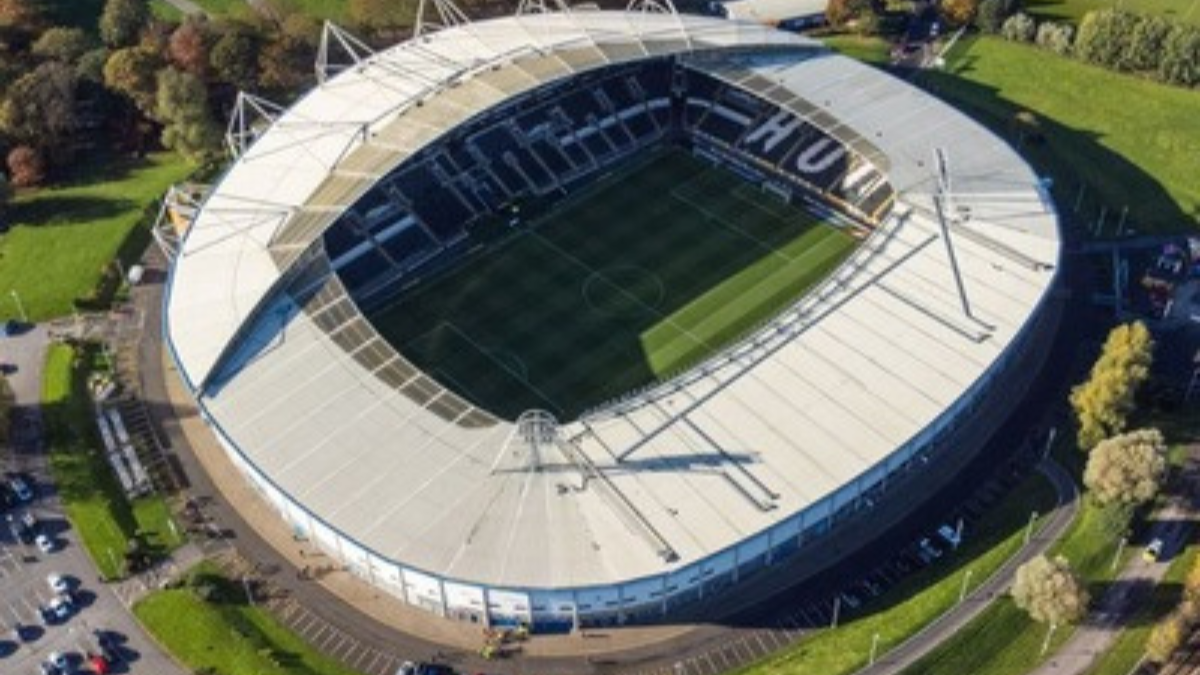
The MKM Stadium is one of the best-known sporting venues in Kingston upon Hull, East Yorkshire. Home to Hull City AFC and Hull FC, it welcomes football and rugby league supporters throughout the year. Since opening in 2002, the stadium has become an important part of the city’s identity, offering modern facilities and an exciting atmosphere for thousands of spectators.
Understanding MKM Stadium Capacity helps visitors plan matchday trips and gives sports fans a clearer picture of the venue’s size. The stadium is commonly listed as having 25,586 seats, although some sources report a lower figure of 24,983. This guide explores the seating arrangements, record attendance, facilities, history and potential expansion of this popular sporting destination.
What Is the MKM Stadium?
The MKM Stadium is a multi-purpose sports venue situated in West Park, Kingston upon Hull, England. It opened on 18 December 2002 and was originally known as the KC Stadium. The venue later adopted the KCOM Stadium name before becoming the MKM Stadium. Its modern design has helped establish it as a leading sporting destination in East Yorkshire.
The stadium accommodates both association football and rugby league. Hull City AFC uses the ground for its home football fixtures, while Hull FC hosts its rugby league matches there. This shared arrangement brings different groups of supporters together and keeps the venue active across several sporting competitions. For local residents and visiting fans, the ground represents an important part of Hull’s sporting culture.
What Is the Current MKM Stadium Capacity?
MKM Stadium Capacity is commonly reported as 25,586 seats, according to Hull FC’s stadium information. However, some stadium databases list 24,983, which can cause confusion for people researching the venue. These differences highlight the importance of checking the source and understanding whether a published figure refers to the total seating provision or another capacity measure.
The number of spectators admitted to a particular match may be lower than the stadium’s overall seating total. Away-supporter allocations, safety arrangements, restricted sections and segregation requirements can affect ticket availability. Consequently, MKM Stadium Capacity should not automatically be treated as the attendance figure for every event. Supporters should consult official club ticket information to confirm availability for their chosen fixture.
MKM Stadium Seating Layout and Main Stands

The stadium has four main stands: North, South, East and West. Each provides a different viewing area, allowing spectators to choose seats according to their preferences and ticket availability. The arrangement brings fans close to the pitch and helps create a connected atmosphere during important football matches and rugby league fixtures.
The West Stand is the largest section, while the other stands accommodate supporters around the remaining sides of the playing surface. Seating layouts and available sections may vary depending on the event. When researching MKM Stadium Capacity, visitors should remember that the published total represents the overall venue rather than the number of tickets necessarily available for every match.
Hull City and MKM Stadium Capacity
Hull City AFC has used the stadium as its home ground since the venue opened in 2002. The ground provides space for home supporters, visiting fans and matchday staff, creating an environment for league fixtures and cup competitions. Football matches can attract large crowds, particularly when the club faces important opponents or participates in significant games.
The practical matchday capacity depends on ticket sales and operational arrangements. A fixture with strong demand may sell out, while another match may have many seats available. Fans researching Hull City’s home ground should check official ticket announcements for current information. Understanding these differences makes MKM Stadium Capacity more useful when planning a visit rather than relying on a single headline number.
MKM Stadium Capacity for Rugby League Matches
Hull FC also plays its home rugby league fixtures at the stadium, giving the venue a second major sporting identity. Rugby league brings a different atmosphere, with fast-paced play, physical contests and passionate support. The ground’s shared use means that the same seating bowl serves different sporting audiences throughout the year.
For rugby league matches, the number of available seats may change according to the fixture and safety requirements. Local derbies can require additional segregation arrangements, potentially reducing the number of spectators admitted. This explains why MKM Stadium Capacity may differ from the permitted attendance for an individual rugby league event. Supporters should always check Hull FC’s official announcements for match-specific information.
What Is the Record Attendance at MKM Stadium?
Record attendance is a popular topic among supporters interested in the stadium’s history. Historical figures can vary between publications, so it is important to confirm the match, date and attendance using reliable records. The highest attendance is not necessarily identical to the stadium’s currently published seating capacity because historical configurations and event arrangements may differ.
A stadium database has reported an attendance of 25,280 for an England Under-21 football match against the Netherlands Under-21 team on 17 February 2004. Readers should verify this figure against official historical records before treating it as definitive. Comparing historical attendance with MKM Stadium Capacity provides a useful way to understand how extensively the venue has been used.
MKM Stadium Facilities and Visitor Experience
The venue offers facilities for spectators, hospitality guests and business visitors. These include food and drink services, toilets, hospitality areas and conference facilities. The stadium’s infrastructure also supports professional sport, helping the clubs deliver fixtures throughout the season. Facilities available to visitors can vary depending on the event and the areas open to the public.
Accessibility is another important consideration when planning a visit. Supporters should review official club information about accessible seating, entrance arrangements and any specific assistance they may require. Checking these details before travelling can help avoid unnecessary difficulties on matchday. Visitors researching MKM Stadium Capacity should also remember that the quality of the overall experience depends on facilities and organisation, not simply the number of seats.
Can MKM Stadium Increase Its Capacity?
Expansion has been discussed as a possibility for the stadium’s future. Historical planning documents have explored the potential to increase capacity beyond 30,000 through changes to selected stands. Such development could provide more seats if demand increases, but it would require investment, detailed planning, safety assessments and the relevant approvals.
Potential expansion should not be confused with a confirmed construction project. Changes to the wider West Park site and proposals involving club or community facilities do not automatically mean that additional spectator seating will be built. Any future decision would depend on the plans approved by the relevant organisations. Until official confirmation is available, the existing published MKM Stadium Capacity remains the most useful reference for visitors.
How Does MKM Stadium Compare with Other UK Stadiums?
The stadium is a substantial regional venue, although it is smaller than many of the UK’s largest football grounds. Its importance comes from its role as a shared home for two professional clubs and its ability to host different sporting events. This combination makes it an important destination for supporters across East Yorkshire.
When comparing venues, consider seating totals alongside transport links, facilities, accessibility and atmosphere. Different sources may use different definitions of capacity, so figures should be compared carefully. MKM Stadium Capacity offers a useful starting point, but the overall experience also depends on the event, the available seats and the facilities provided to spectators.
How to Get to MKM Stadium
The stadium is located in West Park, Kingston upon Hull, and can be reached by public transport or car. Hull Paragon Interchange is the city’s main bus and rail transport hub, and visitors can plan their onward journey using local transport services. Walking routes and journey times depend on the starting point and travel conditions.
Visitors travelling by car should check parking arrangements and allow extra time for matchday traffic. Those using public transport should confirm current timetables before leaving home. It is also sensible to check ticket details, stadium entrances and event start times in advance. These preparations help make a visit more straightforward, particularly for supporters travelling to Hull for the first time.
Conclusion
MKM Stadium Capacity is commonly reported as 25,586 seats, although some sources publish a figure of 24,983. The difference highlights why readers should check the source and distinguish total seating provision from the number of people admitted to an individual event. As the home of Hull City AFC and Hull FC, the stadium remains a major part of Hull’s sporting identity.
From its four main stands and modern facilities to its record attendance and potential expansion, the venue offers plenty for supporters to explore. Although historical proposals have considered a larger stadium, readers should not assume that expansion has been approved. For the latest ticket availability, visitor guidance and confirmed development news, the official club websites are the most appropriate starting points.
Frequently Asked Questions
What Is the Current MKM Stadium Capacity?
The commonly reported seating figure is 25,586, although some databases list 24,983. Check the relevant club or stadium source for the figure currently published.
Which Clubs Play at MKM Stadium?
Hull City AFC plays its home football matches there, while Hull FC uses the ground for its home rugby league fixtures.
What Was MKM Stadium Previously Called?
The stadium opened as the KC Stadium in 2002, later became the KCOM Stadium and subsequently adopted its current name.
What Is the Record Attendance at MKM Stadium?
A stadium database reports 25,280 for an England Under-21 match against the Netherlands Under-21 team in February 2004. Historical figures should be checked against official records.
Can MKM Stadium Hold More Than 30,000 People?
Historical documents have discussed the possibility of expansion beyond 30,000, but this does not confirm that a project has been approved or scheduled.
Where Is MKM Stadium Located?
The stadium is situated in West Park, Kingston upon Hull, East Yorkshire, England.
Also Read: hmp wakefield jobs