Hampden Park Capacity: How Many People Can the Stadium Hold?

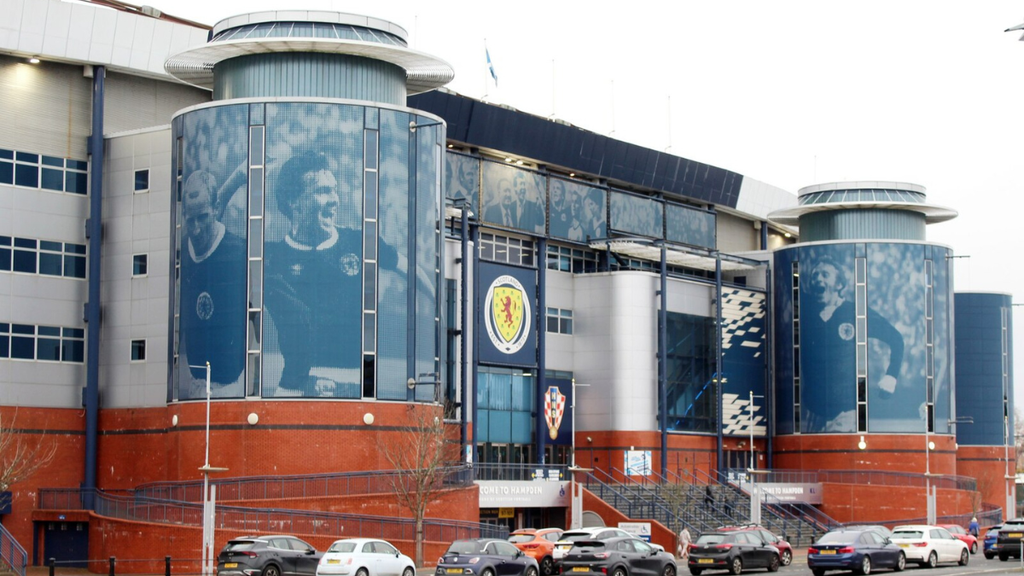
Hampden Park is one of Scotland’s most recognisable sporting landmarks, attracting football supporters, music lovers and visitors from across the United Kingdom. Situated in Mount Florida, Glasgow, the stadium has witnessed historic international matches, memorable cup finals and major entertainment events. Its remarkable history stretches back more than a century, making it an important part of Scottish football culture and a fascinating destination for anyone interested in stadiums.
The current published Hampden Park capacity is 51,866 spectators for football matches. However, the number of people admitted can differ for concerts, athletics and other large events because each occasion requires a particular layout and safety arrangements. From its enormous historical crowds to its modern all-seater design, Hampden offers an interesting example of how stadiums have evolved to meet changing expectations.
What Is the Current Hampden Park Capacity?
The current published capacity of Hampden Park is 51,866 spectators, making it one of Scotland’s major football venues. The stadium serves as the home ground for Scotland’s national football team and regularly hosts important domestic fixtures. Its seating arrangements allow supporters to watch matches from designated seats, while the atmosphere becomes particularly intense during international games and major cup finals.
Although the published figure provides a useful answer for football fans, it does not necessarily represent the number of tickets available for every event. Certain seats may be unavailable because of operational restrictions, media facilities, segregation requirements or safety arrangements. Anyone planning to attend a match should check the relevant ticket information, as the actual attendance can be lower than the stadium’s full published capacity.
Hampden Park Capacity for Concerts
Hampden Park is also an established venue for major live music performances, attracting audiences who want to experience concerts in a large outdoor stadium. However, Hampden Park capacity for concerts can differ from the standard football figure. Concert organisers must accommodate stages, sound equipment, backstage facilities and potentially standing areas on the pitch, changing the space available for spectators.
The maximum audience depends on the performer’s stage design, the event layout and the permissions granted for that particular performance. Some configurations may allow additional standing spectators, while others reduce the number of available places because of restricted viewing areas or production equipment. For this reason, concertgoers should check official ticket listings and event announcements instead of assuming that every performance has the same capacity.
Old Hampden Park Capacity and Its Historical Development
The history of Old Hampden Park demonstrates how dramatically football stadiums have changed. The present ground opened on 31 October 1903 and initially accommodated more than 100,000 spectators. As football grew in popularity, the stadium became famous for its enormous crowds, extensive terraces and ability to host matches attended by supporters from across Scotland and beyond.
During its historic peak, Hampden could accommodate crowds approaching 150,000, a figure far above its modern published capacity. Much of this difference resulted from standing terraces, which allowed more spectators into the ground than today’s all-seater arrangements. Subsequent redevelopment introduced modern facilities and seating, reflecting changes in safety standards and the expectations of contemporary football supporters.
Hampden Park Capacity in 1970
Hampden Park remained capable of attracting extraordinary crowds during the late 1960s and early 1970s. One of the most remarkable examples occurred on 15 April 1970, when Celtic played Leeds United in a European Cup semi-final replay. The match attracted a reported attendance of 136,505 spectators, demonstrating the stadium’s ability to accommodate vast numbers of football fans during that period.
When researching Hampden Park capacity in 1970, it is important to distinguish between the official capacity and the attendance recorded for an individual match. Attendance refers to the number of spectators reported at a particular event, whereas capacity describes the number permitted under the applicable arrangements. Historical figures should therefore be checked against reliable records, especially when comparing the stadium’s former standing areas with its present-day seating configuration.
Hampden Park Record Attendance
Hampden Park is renowned for its historic record crowds, particularly the famous Scotland versus England international played on 17 April 1937. The match is widely associated with an attendance of 149,415 spectators, although some historical accounts give slightly different figures. Scotland won the game 3–1, making the occasion memorable for both the result and the remarkable number of supporters who attended.
The record reflects an era when large standing terraces were common at football grounds and safety arrangements differed considerably from those used today. Modern stadium capacities are determined by seating layouts, access routes and strict crowd-management requirements. Consequently, the historic attendance should not be confused with the present published capacity. Nevertheless, the match remains an important part of Hampden’s story and its reputation as a legendary football venue.
How Does Hampden Park Compare with Other Scottish Stadiums?
Scotland has several well-known sporting venues, including Celtic Park and Ibrox Stadium in Glasgow, alongside Murrayfield Stadium in Edinburgh. Each serves a different purpose and has its own capacity, facilities and matchday atmosphere. Hampden Park occupies a distinctive position because it is Scotland’s national football stadium, hosting international fixtures and major domestic cup matches rather than serving as the regular home of one of Glasgow’s leading club teams.
With a published football capacity of 51,866, Hampden can accommodate a substantial crowd for major sporting occasions. Comparisons with other grounds should use current published figures and account for differences between football, rugby and multi-purpose stadiums. Capacity is only one consideration when assessing a venue: location, transport connections, accessibility, seating arrangements and the importance of the event also influence the experience for spectators.
What Events Take Place at Hampden Park?
Football remains central to Hampden Park’s identity. The stadium hosts Scotland international matches and major domestic fixtures, including important Scottish Cup and Scottish League Cup ties. Its history of welcoming large crowds has made it a familiar setting for dramatic sporting occasions, from international rivalries to decisive cup matches that attract supporters from across the country.
The venue also hosts concerts and other major events, demonstrating its flexibility beyond football. Its role during the Glasgow 2014 Commonwealth Games, when it was used for athletics, highlighted how the stadium could be adapted for a different sporting discipline. Because each event requires its own facilities and layout, the number of spectators admitted can change according to the arrangements and safety conditions in place.
Hampden Park Seating Plan and Visitor Information
Hampden Park has four principal stands: North, South, East and West. Its all-seater design provides designated places for spectators, helping visitors identify their seats before entering the ground. The stadium’s South Stand includes two tiers, while the overall arrangement is designed to support large sporting crowds. Checking the seating plan before travelling can help visitors understand their location and find the correct entrance more easily.
Visitors should review their tickets and official event guidance for information about entry times, accessible seating, transport arrangements and restrictions on items brought into the venue. The number of tickets offered for sale may be lower than the published capacity because some areas can be reserved or unavailable for operational reasons. Checking the latest stadium information before departure is a practical way to prepare for a match or concert.
Could Hampden Park Capacity Increase in the Future?
Any future increase in Hampden Park capacity would depend on a range of practical and regulatory considerations. These could include the stadium’s structure, seating arrangements, spectator safety, accessibility and the surrounding transport network. Increasing capacity is not simply a matter of adding more seats, as any redevelopment would need to preserve safe access, appropriate facilities and effective crowd-management arrangements.
It is also important to distinguish between possible improvements and officially confirmed redevelopment plans. Unless the stadium authorities announce a specific project, claims about future capacity increases should be treated cautiously. Supporters who want to follow potential changes can consult announcements from the Scottish Football Association and official stadium channels for reliable information about developments, improvements or proposed changes to the venue.
Conclusion
Hampden Park combines a remarkable sporting heritage with a modern role as Scotland’s national football stadium. Its current published capacity of 51,866 spectators provides the clearest answer for people researching the venue, while concert audiences can vary according to stage placement, standing areas and event-specific arrangements. Understanding these differences helps football supporters and concertgoers find accurate information before planning a visit.
The stadium’s history is equally fascinating, from its early capacity of more than 100,000 to the extraordinary crowds recorded during the twentieth century. The famous Scotland versus England match in 1937 and Celtic’s 1970 European Cup semi-final replay illustrate the scale of its former attendances. Whether exploring Old Hampden Park capacity or checking details for a modern event, readers should consult reliable official sources for the latest figures and arrangements.
Frequently Asked Questions
What is the current Hampden Park capacity?
Hampden Park has a published football capacity of 51,866 spectators. The number of people admitted may vary for particular matches and other events depending on the arrangements in place.
What is the Hampden Park capacity for concerts?
Concert capacity varies according to stage placement, standing areas, production equipment and safety requirements. The official ticket information for each performance is the best source for its permitted audience size.
What was the Old Hampden Park capacity?
The present stadium opened in 1903 with a capacity exceeding 100,000. Its historical configuration later accommodated crowds approaching 150,000 before modern redevelopment changed the seating arrangements.
What was Hampden Park capacity in 1970?
A reported attendance of 136,505 was recorded for Celtic versus Leeds United on 15 April 1970. This is an attendance figure for that match rather than a definitive statement of the stadium’s official capacity.
What is the record attendance at Hampden Park?
The widely cited record attendance is 149,415 for Scotland versus England on 17 April 1937. Some historical sources report different figures, so the source should be checked when quoting an exact number.
Is Hampden Park the biggest football stadium in Scotland?
Hampden Park is Scotland’s national football stadium, but comparisons with other Scottish grounds depend on their current published capacities and configurations. Its international role distinguishes it from many club stadiums.
Where is Hampden Park located?
Hampden Park is situated in Mount Florida, Glasgow, Scotland. Visitors should check official travel guidance before attending a match or concert.
Can Hampden Park hold more people for concerts than football matches?
Depending on the event layout, a concert may accommodate a different audience size from a football match. Stage design, standing areas and safety restrictions determine the permitted capacity for each performance.
Also Read: Mel Schilling