British Telecom Tower: History, Height, Location and Interesting Facts
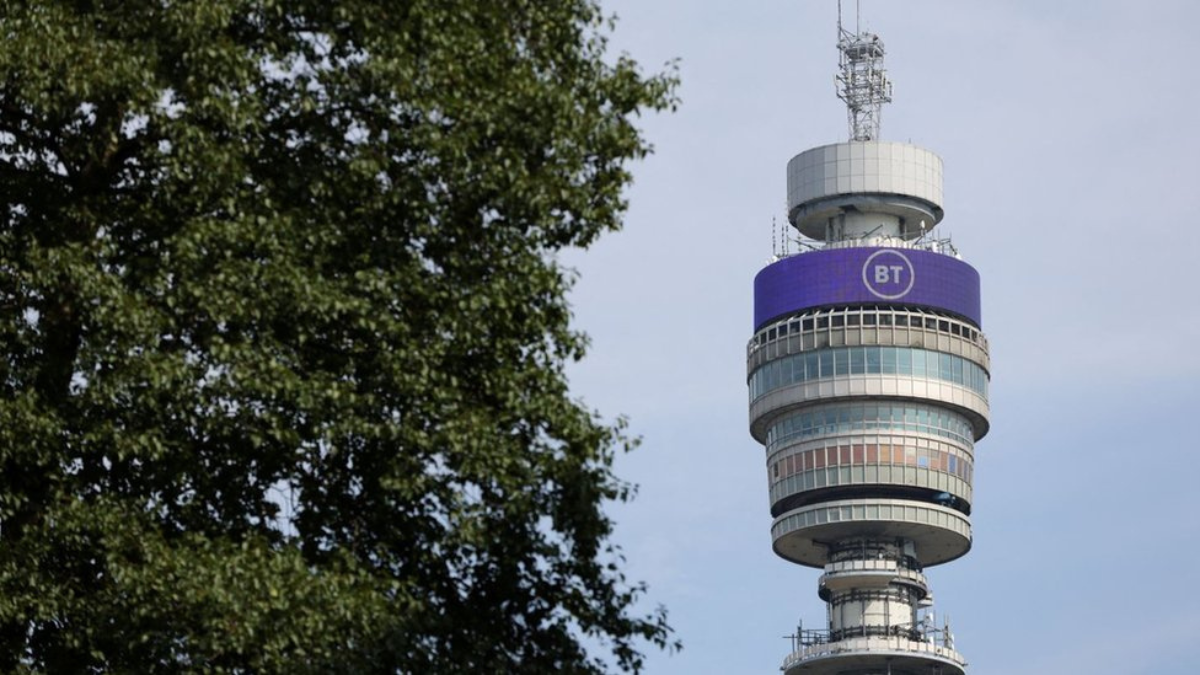
The British Telecom Tower is one of London’s most recognisable landmarks, rising above the streets of Fitzrovia with its distinctive cylindrical design. Built during the 1960s, this remarkable structure was created to support Britain’s expanding telecommunications network. Its impressive height, unusual architecture and technological importance made it a symbol of modern engineering, while its former restaurant and viewing galleries helped establish it as a popular attraction in the capital.
Today, the tower continues to attract interest from tourists, architecture enthusiasts and people researching London’s history. Although its original public attractions have closed, its story remains fascinating, particularly as plans have emerged to transform the historic building into a hotel. From its construction and height to its location, former revolving restaurant and future redevelopment, there is plenty to discover about this celebrated London landmark.
What Is the British Telecom Tower?
The British Telecom Tower, commonly called the BT Tower, is a telecommunications structure situated in central London. It was originally built to transmit telephone calls and television signals using microwave technology. During the post-war period, Britain needed more reliable long-distance communication systems, and the tower became an important part of the infrastructure connecting London with other parts of the country.
The building has carried several names throughout its history, including the Post Office Tower and Telecom Tower. Its original association with the General Post Office reflected the organisation responsible for Britain’s telephone network at the time. As the telecommunications industry developed and BT emerged as a major communications company, the building became widely known as the BT Tower, retaining its importance as both an engineering achievement and a recognisable feature of London’s skyline.
Where Is the British Telecom Tower Located?
The British Telecom Tower is located at 60 Cleveland Street, London, W1T 4JZ, in the Fitzrovia district. This central London neighbourhood is known for its restaurants, independent businesses, offices and convenient transport connections. The tower stands among a mixture of historic streets and modern buildings, making it an interesting feature for anyone exploring this part of the capital.
Visitors can view the building from suitable public areas around Fitzrovia, although entering the tower is generally not possible without specific permission or an officially announced visitor arrangement. Nearby areas such as Oxford Street, Soho and Tottenham Court Road provide useful reference points when planning a sightseeing trip. Travellers should check current access information before visiting, particularly if they hope to see the interior or learn about any redevelopment-related activities.
British Telecom Tower Height and Architectural Design
The tower is famous for its remarkable height and distinctive shape. Its main structure measures approximately 177 metres, or 581 feet, while its overall height with aerial equipment has been reported at around 189 metres. When it was completed, it was the tallest structure in London, dominating the skyline long before many of the capital’s modern skyscrapers were constructed.
Its cylindrical form was designed primarily for practical engineering purposes. Built using reinforced concrete, the structure needed to accommodate telecommunications equipment at considerable height while withstanding strong winds. Its unusual appearance distinguished it from conventional office buildings and reflected the modern architectural thinking of the period. The combination of technical requirements and ambitious design helped make the tower a landmark that remains recognisable decades after its construction.
History of the British Telecom Tower
Construction of the tower began in 1961, during a period when Britain was investing heavily in modern communications infrastructure. The building was officially opened by Prime Minister Harold Wilson on 8 October 1965. Its height allowed microwave transmission equipment to establish communication links across long distances, supporting the telephone and television services that were becoming increasingly important to everyday life.
The tower’s history also includes a serious security incident in 1971, when a bomb exploded inside the building. Security restrictions followed, and public access was subsequently limited. Although the tower’s role as a visitor attraction declined, its technical and historical significance continued. As communications technology advanced, older transmission methods became less central to everyday networks, but the structure remained an enduring reminder of Britain’s engineering achievements during the twentieth century.
British Telecom Tower Restaurant and Viewing Gallery
One of the most memorable features of the tower was its revolving restaurant, situated on the 34th floor. The restaurant offered diners the opportunity to enjoy meals while taking in changing panoramic views of London. Its unusual setting made it a distinctive experience, combining modern engineering with hospitality at a time when the tower represented the exciting possibilities of contemporary technology.
The restaurant and viewing galleries are no longer generally open to the public. Nevertheless, they remain important elements of the building’s story and contribute to its continuing popularity in historical articles, photographs and documentaries. People interested in panoramic views of London can explore other attractions, including the London Eye and Sky Garden. These alternatives provide opportunities to appreciate the capital’s skyline without relying on access to the tower.
Is the British Telecom Tower Open to the Public?
The tower has traditionally operated as a restricted telecommunications facility rather than a conventional tourist attraction. Although visitors were once able to enjoy its restaurant and viewing galleries, these facilities closed, and ordinary public access became limited. Consequently, travellers should not assume that tickets are available or that they can enter the building simply by arriving at the address.
Future redevelopment could change how people experience the site. Plans to convert the tower into a hotel have generated renewed interest in its possible uses and public accessibility. However, proposals and planning developments do not automatically mean that the building is open for visits. Anyone considering a trip should check official announcements for confirmed opening dates, visitor arrangements and any restrictions that may apply.
British Telecom Tower Hotel Plans and Future Developments
The tower’s future has attracted considerable attention because of plans to transform the historic structure into a hotel. BT Group agreed to sell the building to MCR Hotels in 2024 for £275 million. The proposed redevelopment aims to give the landmark a new purpose while retaining its distinctive character and architectural significance, creating a different chapter in the building’s long history.
The redevelopment proposals have included changes involving the tower and adjoining buildings. Such a project presents challenges because a structure designed for telecommunications must be adapted to meet modern hospitality requirements. Preservation, planning permission, safety standards and the practical needs of hotel guests all influence what may eventually be possible. Readers should consult recent official announcements before relying on particular opening dates, facilities or accommodation details, as these can change during the planning and construction process.
British Telecom Tower Birmingham: What Is the Difference?
Although the London tower is the best-known building associated with this name, Birmingham also has a BT Tower. Located on Lionel Street, the Birmingham structure was developed as part of Britain’s wider telecommunications network. It differs in appearance from its London counterpart, featuring a more rectangular design and circular aerial galleries near the top. Its principal purpose was technical communication rather than public entertainment.
The phrase “British telecom tower Birmingham” can therefore refer to a genuine telecommunications landmark rather than simply a mistaken search for the London building. Both structures reflect the importance of microwave transmission and communications infrastructure during the twentieth century. However, the London tower is particularly famous for its former revolving restaurant, viewing facilities and distinctive cylindrical profile, while the Birmingham tower is primarily recognised for its engineering role.
Interesting Facts About the British Telecom Tower
The tower has several fascinating details that help explain its enduring appeal. Construction began in 1961, and the building officially opened in October 1965. Its main structure reaches approximately 177 metres, and it became London’s tallest structure when completed. Its original purpose was to support communications technology, demonstrating how engineering requirements shaped the appearance of an important city landmark.
Another interesting fact is that the tower once combined telecommunications with public entertainment. Its revolving restaurant offered an unusual dining experience, while its elevated viewing facilities gave visitors a memorable perspective on London. The building is also Grade II listed, recognising its architectural and historical importance. Its proposed transformation into a hotel illustrates how historic structures can be adapted to meet changing needs while retaining links to their original identity.
Why Is the British Telecom Tower Important to London?
The tower represents a significant stage in the development of Britain’s communications network. Before modern fibre-optic systems became widespread, microwave links played an important role in transmitting telephone and television signals across long distances. The building’s height and technical equipment helped support these services, making it an important part of the infrastructure that connected people and businesses throughout the country.
Its cultural significance extends beyond engineering. The tower became a familiar feature of London’s skyline and an example of ambitious post-war architecture. Its former restaurant brought visitors into a building that might otherwise have remained purely functional, while its listed status reflects the value placed on preserving historic structures. As its future use develops, the tower continues to connect London’s technological past with its changing urban landscape.
Conclusion
The British Telecom Tower remains one of London’s most distinctive landmarks, combining an impressive height with a fascinating history of engineering, architecture and changing public use. Built during the 1960s, it played an important role in telecommunications before becoming known for its revolving restaurant and viewing facilities. Although those attractions are no longer generally available, the building continues to attract attention because of its historical importance and unusual design.
Its proposed hotel redevelopment offers the possibility of a new future for this famous structure, although visitors should verify the latest official information before planning an interior visit. Whether you are interested in its construction, location, restaurant history or connection with Birmingham’s telecommunications infrastructure, the tower provides a compelling example of how an important historic building can remain relevant as technology and cities evolve.
Frequently Asked Questions
What is the British Telecom Tower?
The BT Tower is a famous telecommunications structure in Fitzrovia, London, originally built to support telephone and television signal transmission.
Where is the British Telecom Tower located?
It is located at 60 Cleveland Street, London, W1T 4JZ, in central London.
How tall is the British Telecom Tower?
Its main structure is approximately 177 metres tall, while measurements including aerial equipment have reached around 189 metres.
When was the tower built?
Construction began in 1961, and the tower officially opened on 8 October 1965.
Does the BT Tower have a restaurant?
It formerly had a revolving restaurant on the 34th floor, but the restaurant is no longer generally open to the public.
Can visitors go inside the tower?
Public access is restricted. Check official announcements for any future visitor arrangements connected with redevelopment.
Is the BT Tower becoming a hotel?
A hotel conversion has been proposed, but readers should check official updates for the latest planning status and confirmed opening information.
Is there a BT Tower in Birmingham?
Yes, Birmingham has its own telecommunications tower on Lionel Street, separate from the more famous London landmark.
Also Read: zameen.com lahore