
Hertfordshire University: Courses, Rankings, Fees and Entry Requirements

Choosing a university is a major step towards a rewarding career, and finding the right institution requires careful research. Students need to consider academic quality, course choices, tuition fees, accommodation and future employment prospects before making a decision. The University of Hertfordshire offers a wide range of undergraduate and postgraduate programmes, combining academic study with practical learning opportunities designed to prepare students for professional life.
Based primarily in Hatfield, Hertfordshire, the university attracts students from across the UK and around the world. Its location provides access to local amenities and transport connections to London, while its campuses offer facilities for learning, research and student activities. This guide explores Hertfordshire University rankings, courses, entry requirements, fees, accommodation, open days and career opportunities to help prospective students make an informed choice.
Overview of Hertfordshire University
The University of Hertfordshire is a public university in England known for its broad academic offering and focus on career development. Students can explore subjects such as business, computing, engineering, healthcare, law, science and creative arts. Its programmes cater to different academic interests, with options ranging from undergraduate degrees to postgraduate qualifications and research opportunities.
The university’s main campuses are College Lane and de Havilland, both situated in Hatfield. Students can access learning facilities, libraries, specialist teaching spaces, sports facilities and areas for social activities. Before applying, prospective students should explore the campus associated with their chosen course, as teaching locations and available facilities can influence accommodation choices, commuting arrangements and everyday university life.
Hertfordshire University Ranking and Reputation
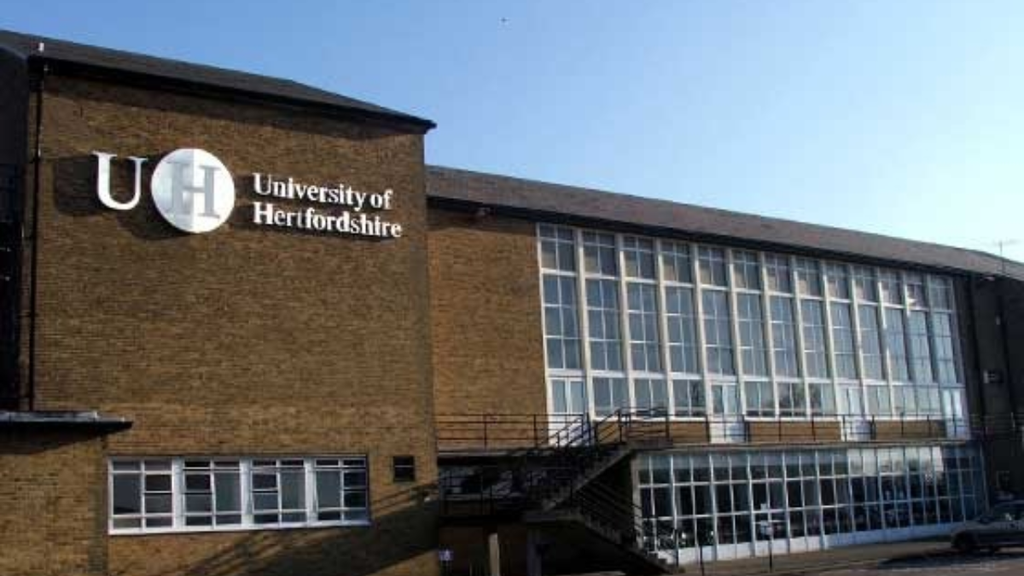
Hertfordshire University ranking is an important consideration for applicants comparing universities across the UK. However, league tables use different methods to assess institutions, including student satisfaction, teaching quality, graduate outcomes and academic performance. Rankings can therefore vary between publications and years, making it useful to compare several sources rather than relying on a single overall position.
Applicants should also investigate subject-specific rankings, professional accreditation and opportunities for practical experience. A university’s overall ranking cannot fully explain the quality of every individual course. Reviewing course content, graduate destinations, placement opportunities and student feedback can provide a clearer picture of whether a programme meets your academic interests and career ambitions.
Hertfordshire University Courses and Study Options
Students can choose from a wide range of undergraduate degrees, postgraduate qualifications, foundation programmes, research degrees and professional courses. Subject areas include business, accounting, computer science, engineering, nursing, law, education and creative arts. Course availability, teaching methods and qualification requirements vary, so prospective applicants should explore individual course pages to understand what each programme offers before submitting an application.
Many programmes are designed around practical learning and professional development. Depending on the subject, students may benefit from placements, live projects, specialist laboratories and links with employers. Some courses also provide opportunities for flexible study, online learning or apprenticeships. Comparing modules, course duration, assessment methods and possible career paths can help applicants identify a programme that suits their interests and long-term goals.
Hertfordshire University Entry Requirements
Entry requirements depend on the chosen course, qualification level and applicant’s educational background. Undergraduate applicants may need A levels, BTECs or recognised international equivalents, while postgraduate programmes commonly require a relevant bachelor’s degree. Certain subjects may also require specific grades, relevant experience, a portfolio or an interview, making it important to check the exact criteria for each programme.
International applicants should confirm that their existing qualifications are recognised and meet the university’s academic standards. English language evidence, such as IELTS or another accepted test, may also be required, depending on the course and applicant. Before applying, prepare the requested certificates, transcripts and supporting documents, and check application deadlines carefully to avoid delays or missing an important admissions date.
Hertfordshire University Fees, Funding and Scholarships
Tuition fees vary according to the course, level of study and whether a student is classified as a UK or international applicant. Additional costs may include accommodation, meals, transport, books, equipment and other personal expenses. Rather than relying on a general fee estimate, applicants should check the university’s official fees and funding information for their intended course and academic year.
Financial support may be available through scholarships, bursaries, student finance or other funding arrangements, depending on eligibility. UK students should investigate relevant tuition fee loans and maintenance support, while international applicants should explore scholarships and payment requirements. Creating a realistic budget before accepting an offer can help students understand the full cost of studying and avoid unexpected financial pressure during their degree.
Hertfordshire University Accommodation
Finding suitable accommodation can make the transition to university life much easier. The university provides accommodation options for students who want to live close to campus, with room types and facilities varying between residences. Living nearby can simplify travel to lectures, libraries and student activities, although applicants should compare prices, room features, contract lengths and included bills before choosing a particular option.
Applications are managed through the university’s accommodation portal, where eligible students can view options and respond to room offers. Demand and availability may vary, so applying early and following the instructions carefully is advisable. Students can also investigate private rented housing in Hatfield, including shared houses and rooms, while checking tenancy agreements, deposits, travel costs and the reliability of the accommodation provider.
Hertfordshire University Open Day
An open day offers a useful opportunity to experience the university before making a decision. Visitors can explore campus facilities, learn about their chosen subjects and speak with staff and current students. Seeing teaching spaces, libraries, sports facilities and accommodation can help applicants picture everyday life and assess whether the environment matches their expectations.
Open days take place on selected dates, so prospective students should check the official events calendar and register in advance. Prepare questions about admissions, course content, tuition fees, scholarships and career support. If travelling to Hatfield is difficult, look for online events or virtual tours. Gathering this information before applying can make comparisons between universities easier and help applicants feel more confident about their choices.
Hertfordshire University Jobs and Career Opportunities
The university recruits staff for academic, research, administrative, technical and student support positions. Anyone searching for Hertfordshire University jobs should visit the official careers website to explore current vacancies, job descriptions, required qualifications and application deadlines. Because each position has different responsibilities and selection criteria, applicants should tailor their CV and supporting statement to the specific role rather than sending a generic application.
Students can also explore part-time employment, internships and placement opportunities to gain experience while studying. The university provides career-related support intended to help students develop employability skills and prepare for graduate roles. Availability depends on the position, course and individual circumstances, so students should check current opportunities and make sure any employment complies with applicable visa conditions and university requirements.
Student Life at Hertfordshire University
Student life includes academic work, friendships, societies, sport and activities outside the classroom. The university’s campuses provide opportunities to meet people from different backgrounds and participate in clubs, events and recreational activities. Getting involved can help students build confidence, develop communication skills and create a stronger sense of belonging throughout their time at university.
Support services also play an important role in the student experience. Academic guidance, wellbeing resources and student services can help learners manage coursework and adjust to independent living. Prospective students should investigate the support available for their needs, as well as the facilities and activities they value most. A balanced university experience combines progress towards a qualification with opportunities for personal growth and a healthy social life.
Location, Transport and Campus Facilities
Hatfield provides a setting outside central London while remaining connected to the capital by public transport. Students can explore local shops, supermarkets, cafés and other everyday services, while the university’s campuses offer facilities for teaching, research, sport and social activities. The surrounding area may suit students who want access to London without living directly in the city centre.
Transport arrangements should be considered when choosing accommodation and planning a weekly budget. Check current rail and bus timetables, fares, journey times and parking options before deciding whether to commute. It is also worth confirming where lectures and practical sessions take place, as the location of your course can affect your daily routine. Careful planning can make travelling to campus more convenient and predictable.
International Students at Hertfordshire University
International students should review academic entry requirements, English language criteria, tuition fees and immigration rules before applying. The university provides information for overseas applicants, including guidance on applications, scholarships and preparing to study in the UK. Requirements differ according to the applicant’s country, qualifications and chosen programme, so it is important to use the relevant official guidance rather than assume that one set of rules applies to everyone.
Planning for arrival involves more than securing an offer. Students should research accommodation, living costs, travel arrangements and enrolment documents well in advance. Applicants who need a UK Student visa should consult official government guidance and the university’s international support team for current rules on financial evidence, work conditions and visa applications. Preparing early can reduce uncertainty and make the move to a new country easier to manage.
Is Hertfordshire University a Good Choice?
Whether the university is right for you depends on your priorities, academic interests and budget. Its broad range of programmes, practical facilities, career-focused approach and location near London may appeal to students seeking professional development alongside academic study. However, the best choice should be based on the specific course, the learning environment and the opportunities available, rather than the university’s overall reputation alone.
Before accepting an offer, compare course modules, entry requirements, tuition fees, accommodation costs and graduate opportunities with those at other institutions. Read student feedback critically and attend an open day if possible. Speaking with academic staff and current students can provide useful insight into teaching and campus life. Taking time to compare these factors will help you choose a university that supports your goals and circumstances.
Conclusion
The University of Hertfordshire offers a variety of academic programmes, practical learning opportunities and student facilities in Hatfield, with transport links towards London. Understanding rankings, courses, entry requirements, fees and accommodation can help prospective students assess whether the university fits their needs. Researching these areas early also makes it easier to plan finances, prepare documents and decide which programme offers the best route towards a chosen career.
If you are considering applying, begin by checking the official course catalogue and current admissions guidance. Explore funding opportunities, investigate accommodation and look for an upcoming open day to learn more about the campus. With careful planning and a clear understanding of your priorities, you can make a more confident decision about your university education and future opportunities.
Frequently Asked Questions
Where is Hertfordshire University located?
It is based primarily in Hatfield, Hertfordshire, England, north of London.
Is Hertfordshire University a good university?
It offers a broad choice of courses and career-focused learning; the best fit depends on your subject and goals.
What courses does Hertfordshire University offer?
It offers undergraduate, postgraduate, research, foundation, professional and other study options.
What are the entry requirements?
Requirements vary by course, academic level, previous qualifications and English language proficiency.
How much are the tuition fees?
Fees depend on the programme and fee status. Check the university’s official website for current costs.
Does Hertfordshire University accept international students?
Yes. International applicants should check country-specific academic requirements and relevant UK visa guidance.
How can I apply for accommodation?
Use the university’s official accommodation portal to review options, submit an application and respond to room offers.
When is the next open day?
Check the official university events calendar for upcoming dates and registration details.
Where can I find Hertfordshire University jobs?
Visit the university’s official careers website to search for current vacancies and application instructions.
Is Hertfordshire University close to London?
Yes. Hatfield is north of London and has public transport connections to the capital.
Also Read: danny december 10
