
Masjid Quba Saudi Arabia: History, Location and Complete Visitor Guide
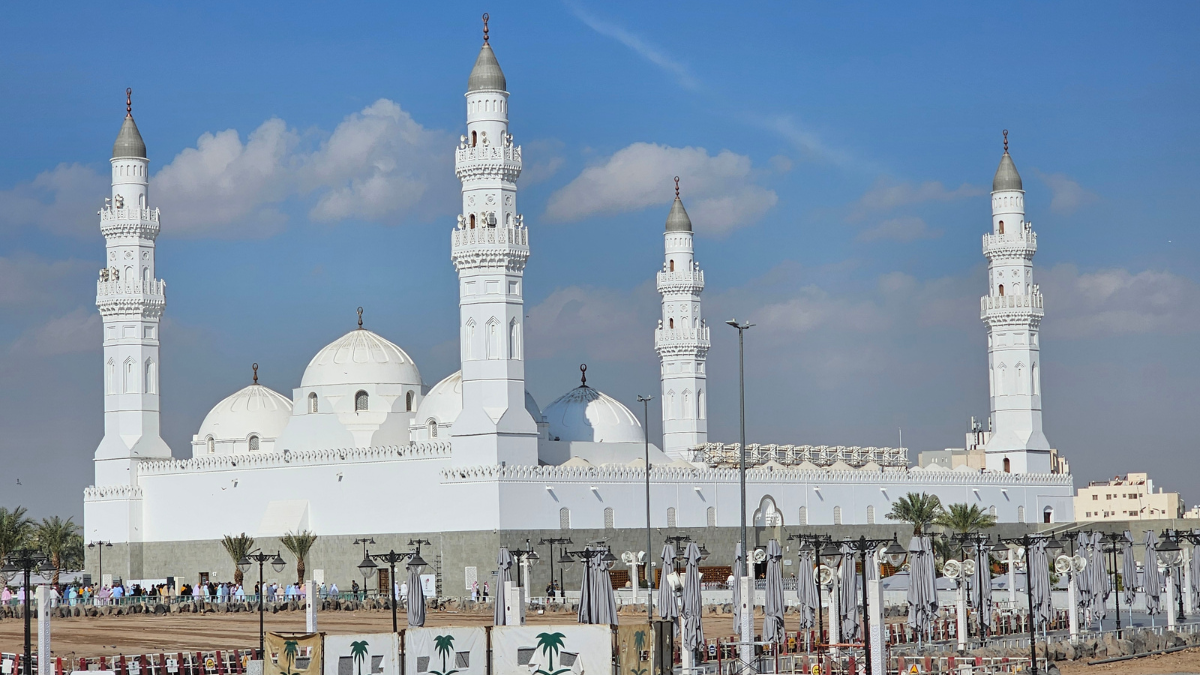
Masjid Quba Saudi Arabia is one of the most significant Islamic landmarks in Madinah, attracting pilgrims and visitors who wish to explore the history of Islam. Closely associated with Prophet Muhammad (peace be upon him) and his migration from Makkah to Madinah, this historic mosque represents faith, unity and devotion. Its religious importance, impressive architecture and peaceful atmosphere make it a meaningful destination for Muslims visiting the holy city.
Whether you are planning an Umrah journey or researching the heritage of Madinah, learning about Masjid Quba can make your experience more rewarding. This guide explores the mosque’s history, spiritual significance, location, architecture and practical visitor information. You will also discover how to travel from Masjid Nabawi, what to know before visiting and which nearby historical places may be worth including in your itinerary.
What Is Masjid Quba Saudi Arabia?
Masjid Quba is a historic mosque in Madinah, Saudi Arabia, widely recognised as the first mosque established in Islamic history. It is closely connected with the arrival of Prophet Muhammad (peace be upon him) in the Quba area during the Hijrah in 622 CE. For Muslims, the mosque represents an important chapter in the development of the early Muslim community and remains a treasured destination for prayer, reflection and learning.
Today, the mosque welcomes worshippers throughout the year and serves as an important religious and historical landmark. Its spacious prayer areas, distinctive domes and minarets reflect centuries of development and renovation. Although the modern building differs from the original structure, its historical identity remains central to its appeal. Visitors can experience the significance of the site while learning about the events that helped shape the Muslim community in Madinah.
History of Masjid Quba Saudi Arabia
The history of Masjid Quba begins with the Hijrah, the migration of Prophet Muhammad (peace be upon him) from Makkah to Madinah. During this journey, the Prophet stayed in the Quba area before proceeding towards the city. The mosque became associated with this important event and is traditionally dated to 622 CE. Its establishment marked a significant moment in early Islamic history, when the Muslim community began developing its social and religious life in Madinah.
Over the centuries, Masjid Quba has undergone numerous renovations and expansions to accommodate growing numbers of worshippers. Different periods of Islamic history contributed to the mosque’s maintenance and development, while modern Saudi projects have improved its facilities. Although its present appearance reflects contemporary construction, the mosque continues to preserve its connection with the early Muslim community. Its history makes it an important destination for those wishing to understand the beginnings of Islam beyond the pages of historical books.
Religious Significance of Masjid Quba
The spiritual importance of Masjid Quba comes from its connection with the Prophet’s life and the early Muslim community. The mosque is associated with the Qur’anic description of a place founded upon piety in Surah At-Tawbah, verse 108. Muslims visit to pray, remember the Hijrah and reflect on the values of sincerity, cleanliness and devotion. Its historical and religious associations make it an important destination for those exploring Islamic heritage in Madinah.
A well-known hadith describes the virtue of performing ablution at home, then travelling to Masjid Quba and offering prayer there, with a reward comparable to that of Umrah. This is one reason many pilgrims include the mosque in their Madinah itinerary. However, this virtue does not mean that visiting the mosque replaces the rites of Umrah. Visitors should consult reliable Islamic sources or qualified scholars for further explanation of religious teachings.
Location of Masjid Quba Saudi Arabia
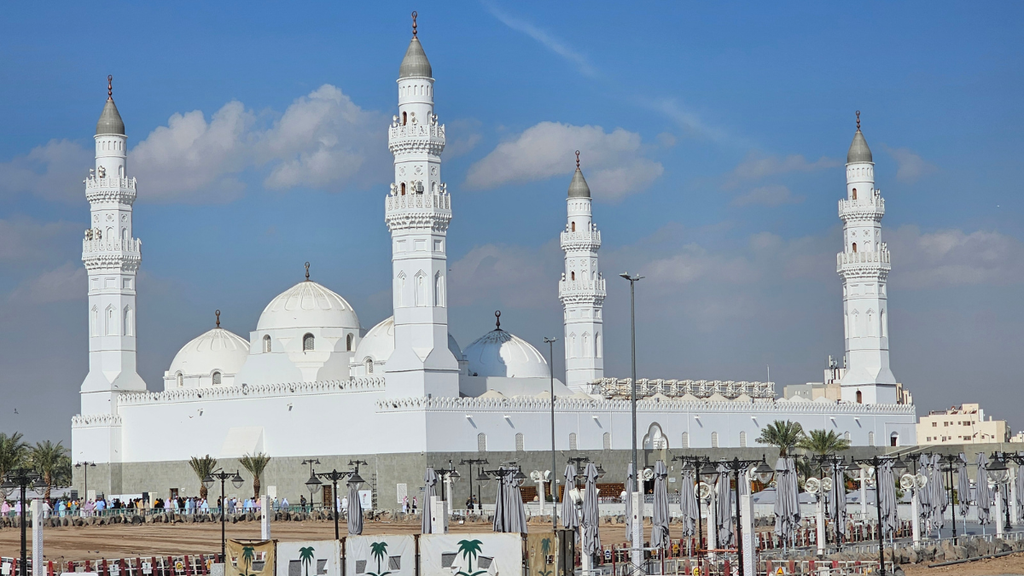
Masjid Quba Saudi Arabia is located in the southwestern part of Madinah, along the historic route associated with the migration from Makkah. It lies approximately three to three-and-a-half kilometres from Al-Masjid an-Nabawi, commonly known as the Prophet’s Mosque. This relatively short distance makes it convenient for many pilgrims staying in Madinah, although the precise journey depends on the starting point and route selected.
Visitors can find the mosque by searching for Quba Mosque on Google Maps or another navigation application. The surrounding area has roads, pedestrian routes and facilities serving worshippers and travellers. Before setting off, check your route and local access arrangements, especially during busy pilgrimage periods. If you are visiting with older relatives or young children, plan transport and rest breaks in advance to make the journey more comfortable.
Architecture and Design of Masjid Quba
The mosque features recognisable elements of Islamic architecture, including domes, minarets, spacious prayer halls and open courtyard areas. These features combine visual beauty with practical facilities for worshippers. The building’s design accommodates large congregations while providing space for movement and prayer. Its modern appearance reflects centuries of development, demonstrating how an important historic religious site can continue serving a growing community while maintaining its connection with the past.
Throughout Islamic history, Masjid Quba has received renovation and expansion work to preserve the site and improve its facilities. The King Salman expansion project was announced to increase capacity and develop historic locations around the mosque. Official Saudi sources describe plans for a capacity of approximately 66,000 worshippers under the project. As development may affect the surrounding area, visitors should consult current official guidance before making detailed plans.
Opening Hours and Best Time to Visit
Before travelling, check official visitor information for the latest opening arrangements and access guidance. The mosque is a functioning place of worship, but visitor conditions can vary during Ramadan, Hajj and other busy periods. Temporary arrangements, crowd management or development work may also affect access. Checking ahead is particularly useful for international visitors who have limited time in Madinah and want to organise their religious visits efficiently.
For a more comfortable experience, consider visiting during cooler parts of the day, especially in the warmer months. Early mornings may be suitable for walking and exploring the surrounding area, while prayer times should guide your schedule. Wear comfortable footwear for outdoor routes and carry drinking water when needed. Allow enough time for prayer and reflection rather than treating the mosque as a quick sightseeing stop.
How to Reach Masjid Quba from Masjid Nabawi
Travelling between Masjid Nabawi and Masjid Quba is relatively straightforward because the two landmarks are only a few kilometres apart. Taxis and private vehicles are convenient choices for families, older visitors and people with limited mobility. Travel time varies with traffic, the time of day and the drop-off point, so allow extra time during busy seasons. Check local transport arrangements before setting off, particularly if you have a scheduled tour or other religious commitments.
Walking is another option for visitors who want to experience the historic surroundings. Quba Avenue provides a pedestrian connection between the Prophet’s Mosque area and Quba Mosque, with shops and historic locations along the route. The walkway is approximately three kilometres long, although the actual distance depends on your starting point. Check the weather before walking, wear suitable shoes and avoid the hottest part of the day if temperatures are high.
Rules, Etiquette and Tips for Visitors
Visitors should dress modestly and behave respectfully because Masjid Quba is an active place of worship. Keep conversations quiet, follow instructions from mosque staff and avoid disturbing people who are praying. If you wish to take photographs, respect any local restrictions and the privacy of other worshippers. Keeping entrances and walkways clear also helps everyone move around safely, particularly when the mosque is crowded during popular pilgrimage periods.
If you are travelling with children or older family members, plan your visit around their needs and check available facilities beforehand. Madinah can experience high temperatures, so carry drinking water and choose suitable times for outdoor walking. Keep personal belongings secure and follow posted guidance throughout your visit. Most importantly, approach the mosque with patience and consideration, allowing yourself time to appreciate its spiritual atmosphere and historical importance.
Visiting Masjid Quba During Umrah
Many pilgrims include Masjid Quba in their itinerary when visiting Madinah before or after travelling to Makkah for Umrah. The mosque offers an opportunity to learn about the Hijrah, reflect on the Prophet’s life and offer prayer at a site of considerable historical importance. Visitors can combine the trip with other landmarks in Madinah, provided they allow sufficient time for transport, prayer and rest.
It is important to distinguish the virtue associated with prayer at Quba from the formal rites of Umrah. Visiting the mosque does not replace entering the appropriate state of ihram or completing the required pilgrimage rituals. If you are uncertain about a religious practice, seek guidance from a qualified scholar or reliable Islamic authority. A well-planned itinerary can help you enjoy the historical experience while keeping your pilgrimage arrangements organised.
Interesting Facts About Masjid Quba Saudi Arabia
One of the most significant facts about Masjid Quba Saudi Arabia is its association with the first year of the Hijrah, corresponding to 622 CE. Its foundation is linked to Prophet Muhammad’s arrival in the Quba area after leaving Makkah. This historical connection makes the mosque an important landmark for understanding the formation of the Muslim community and the early development of Islamic religious life in Madinah.
The mosque has also undergone several major periods of restoration and expansion. Official Saudi sources describe a long history of care, from earlier improvements to modern projects designed to accommodate more worshippers and develop nearby historical sites. Its importance therefore extends beyond its physical structure: it remains a living place of worship where visitors can connect with the history, traditions and religious heritage of Madinah.
Nearby Places to Visit Around Masjid Quba
Madinah contains several important religious and historical landmarks that can complement a visit to Quba Mosque. Al-Masjid an-Nabawi is the city’s best-known religious destination, while Masjid al-Qiblatayn is associated with the change in the direction of prayer. Mount Uhud is another significant location connected with early Islamic history, particularly the Battle of Uhud. Each site offers a different perspective on the events and people who shaped the Muslim community.
Al-Baqi Cemetery is also an important historical and religious location, although visitors should check current access arrangements before including it in their plans. When organising a day of sightseeing, consider distances, transport options, prayer times and weather conditions. Choosing a manageable number of destinations allows you to explore each place thoughtfully rather than rushing between locations. Official Madinah visitor resources can help you confirm practical details before travelling.
Practical Travel Guide for Visitors
A little preparation can make your visit easier and more comfortable. Wear suitable clothing, carry water for outdoor walks and keep your phone charged for maps and transport information. If you are travelling with children, older relatives or someone with limited mobility, review the route and available facilities in advance. During busy pilgrimage periods, allow additional time for traffic, parking and movement around the mosque.
International visitors should also review current Saudi travel guidance and local instructions before setting out. Keep your belongings secure and follow signs around the mosque and nearby pedestrian routes. If you intend to visit several historic sites, organise them by location to reduce unnecessary travel. These straightforward steps allow you to concentrate on prayer, reflection and the historical significance of the mosque instead of worrying about avoidable travel difficulties.
Conclusion
Masjid Quba Saudi Arabia remains one of the most meaningful destinations for Muslims interested in the history of Islam and the life of Prophet Muhammad (peace be upon him). Its connection with the Hijrah, its religious significance and its continuing role as a place of worship make it an essential landmark in Madinah. The mosque’s architecture and surrounding historical sites also offer visitors an opportunity to appreciate the city’s rich cultural and spiritual heritage.
Whether you are travelling for Umrah, planning a visit to Madinah or researching Islamic history, preparing beforehand can make your experience more rewarding. Check current visitor information, dress modestly, plan your transport and allow time for prayer and reflection. A visit to Masjid Quba can become a memorable part of your journey, offering a deeper appreciation of the events that shaped early Islam and the enduring importance of faith in Muslim life.
Frequently Asked Questions
Where is Masjid Quba Saudi Arabia located?
Masjid Quba is located in Madinah, Saudi Arabia, approximately three kilometres from Masjid Nabawi.
Why is Masjid Quba famous?
Masjid Quba is famous for being recognised as the first mosque established in Islamic history.
When was Masjid Quba built?
Masjid Quba was established in 622 CE during Prophet Muhammad’s (peace be upon him) migration to Madinah.
Is Masjid Quba open every day?
Visitors should check current official information for opening hours and any temporary access restrictions.
What is the reward for praying at Masjid Quba?
A well-known hadith describes a reward comparable to Umrah for performing ablution at home and then offering prayer at Masjid Quba.
How far is Masjid Quba from Masjid Nabawi?
Masjid Quba is approximately three kilometres from Masjid Nabawi, depending on the route.
How can I reach Masjid Quba?
Visitors can reach Masjid Quba by taxi, private vehicle or on foot via Quba Avenue.
What should I wear when visiting Masjid Quba?
Visitors should wear modest clothing that respects the mosque’s religious environment.
Can I visit Masjid Quba during Umrah?
Yes, many pilgrims visit Masjid Quba while staying in Madinah during their Umrah journey.
What other places can I visit near Masjid Quba?
Nearby historical landmarks include Masjid al-Qiblatayn, Mount Uhud and Al-Baqi Cemetery, subject to visitor access rules.
Also Read: brickfieldpost.co.uk
