
Sacre Coeur: History, Opening Hours, Tickets and Complete Visitor Guide
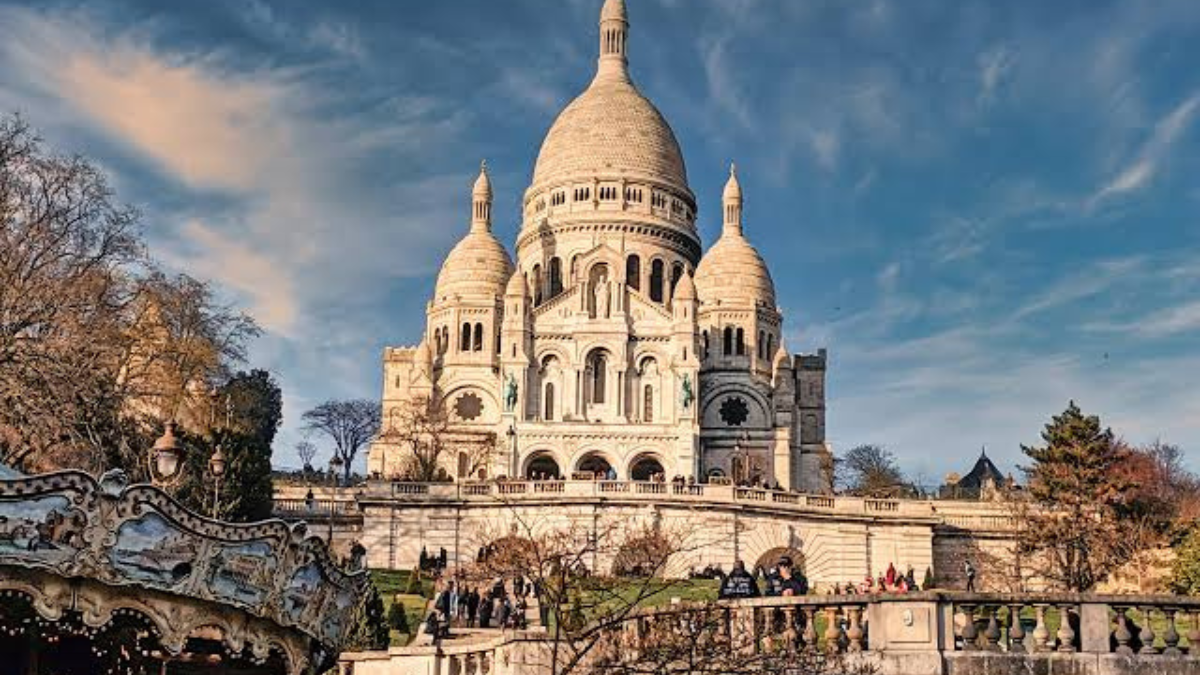
Sacre Coeur is one of the most recognisable landmarks in Paris, France, admired for its brilliant white exterior, elegant domes and spectacular views across the city. Situated on the summit of Montmartre, this celebrated basilica combines religious importance with remarkable architecture. Its elevated position, peaceful interior and distinctive appearance make it a popular destination for tourists, photographers, history enthusiasts and visitors exploring the French capital.
Whether you are planning your first trip to Paris or returning to discover its historic neighbourhoods, Sacre Coeur offers an experience worth including in your itinerary. Visitors can explore its impressive interior, admire religious artwork and wander through the charming streets of Montmartre. Understanding the history, opening hours, admission arrangements and nearby attractions will help you plan a rewarding visit without unnecessary delays.
What Is Sacre Coeur in Paris?
The Basilica of the Sacred Heart of Montmartre is a Roman Catholic church dedicated to the Sacred Heart of Jesus. Known in French as Basilique du Sacré-Cœur de Montmartre, it stands in the 18th arrondissement of Paris. Its prominent position above the surrounding rooftops makes it visible from numerous parts of the city, creating one of the most familiar sights on the Parisian skyline.
Beyond its religious purpose, the landmark attracts visitors interested in architecture, history and photography. The surrounding Montmartre district is famous for its artistic heritage, traditional cafés and winding streets. Travellers can combine a visit to the church with a leisurely neighbourhood walk, discovering the character of an area that has inspired artists and writers for generations.
History of Sacre Coeur Basilica
Construction of the basilica began in 1875, following a period of political and social upheaval in France. The project was intended as a religious monument dedicated to the Sacred Heart of Jesus. Architect Paul Abadie developed the original design, drawing inspiration from Romano-Byzantine architectural traditions rather than the Gothic style associated with many other historic French churches.
The building took several decades to complete and was consecrated in 1919. Its history reflects the religious and national circumstances of nineteenth-century France, giving the monument significance beyond its appearance. Today, it remains an active place of Catholic worship while welcoming visitors from across the world. Understanding its origins helps travellers appreciate why this impressive structure continues to occupy such an important place in Paris.
Architecture and Interior Highlights
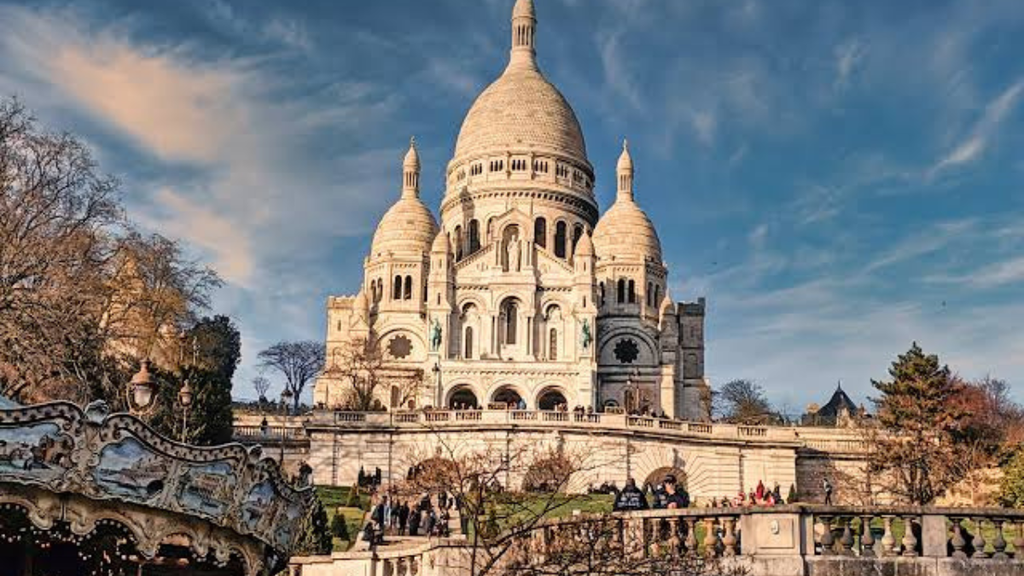
One of the most distinctive features of Sacre Coeur is its Romano-Byzantine architecture. Rounded domes, decorative arches and carefully arranged stonework give the building a striking appearance. Its pale exterior is made from travertine stone, which contributes to its characteristic white colour. The basilica looks particularly impressive against the blue sky, while its elevated setting creates wonderful opportunities for photographs.
Inside, visitors can admire chapels, stained-glass windows, religious decorations and an enormous mosaic depicting Christ in Majesty. The interior offers a quieter atmosphere than the lively streets outside, although it remains an active place of worship. Visitors should speak quietly, respect those attending services and follow notices concerning photography. Taking time to appreciate the details reveals a more meaningful side of this celebrated Paris landmark.
Opening Hours and the Best Time to Visit
Opening hours are an important consideration when planning a visit. The main basilica is generally open daily, but schedules can change because of religious celebrations, special services or other circumstances. Travellers should consult the official Sacré-Cœur website before setting out, particularly when arranging a short city break or planning to visit several attractions in one day.
Early mornings can provide a calmer atmosphere, while afternoons often bring larger crowds to the surrounding viewpoint. Later visits may offer attractive lighting for photographs, depending on the weather and season. The dome has separate access arrangements and may follow different opening hours from the main church. Checking these details in advance helps visitors avoid disappointment and choose a time that suits their plans.
Tickets, Entry Fees and Visitor Costs
One advantage of visiting the basilica is that general admission to the main church is free. Visitors do not normally need to buy an entry ticket or reserve a time slot to explore the main interior. This makes it an appealing destination for budget-conscious travellers who want to experience Parisian history, religious art and architecture without paying an admission fee.
The dome is a separate attraction and requires a paid ticket. Prices and access arrangements can change, so check the official visitor information before travelling. The climb involves a considerable number of steps, making it important to consider your fitness and mobility. Visitors should also check whether maintenance, weather or special circumstances could affect access on their chosen day.
What to See Inside the Basilica
The interior rewards visitors who take their time rather than simply walking through. The monumental mosaic above the choir is a major highlight, depicting Christ with outstretched arms. Chapels, religious artwork and decorative details provide further opportunities to appreciate the building’s spiritual significance. People interested in religious history may also find the continuing traditions of prayer and worship particularly meaningful.
Remember that the basilica is an active church, not simply a tourist attraction. Keep conversations quiet, respect areas reserved for worship and follow the instructions displayed inside. Photography restrictions may apply in certain areas, so check the signs before taking pictures. A respectful visit allows you to appreciate the remarkable surroundings while helping preserve the peaceful atmosphere for worshippers and other visitors.
Dome Views and the Paris Skyline
For a memorable view of the French capital, consider climbing the dome. The route involves approximately 280 steps through a narrow staircase, leading to an elevated viewpoint across Paris. On a clear day, visitors can admire the city’s rooftops and identify prominent buildings and monuments. It is an appealing experience for photographers and anyone who enjoys seeing a destination from a different perspective.
The climb requires physical effort, and there is no lift to the dome. It may therefore be unsuitable for visitors with certain mobility difficulties or concerns about confined spaces. Access and opening times can vary according to the season, weather and maintenance arrangements. Check the official website before visiting, and remember that the dome has a separate entrance and admission charge from the main church.
Location and How to Get There
The basilica is located at 35 Rue du Chevalier de la Barre, 75018 Paris, France, at the summit of Montmartre. Public transport makes the area accessible from other parts of the city. Anvers station on Metro Line 2 is a useful option, while Abbesses station on Line 12 provides another route into the surrounding neighbourhood. From either station, visitors can continue on foot towards the hilltop.
Walking through Montmartre can be part of the attraction, with historic buildings, small shops and cafés along the way. However, the slopes and steps may be tiring for some travellers. The Montmartre funicular provides an alternative to climbing the main staircase, subject to its operating arrangements. Visitors with reduced mobility should check official accessibility information and current transport services before deciding which route to take.
Things to Do Near Sacre Coeur
Montmartre is an excellent neighbourhood to explore after visiting the church. Place du Tertre is famous for its artists, portrait painters and lively atmosphere, offering a glimpse into the artistic traditions associated with Paris. Nearby streets contain galleries, bakeries, cafés and independent shops where visitors can enjoy a slower pace away from some of the capital’s busiest shopping districts.
Travellers with additional time can visit the Montmartre Museum or walk towards the Moulin Rouge area. Exploring on foot allows you to discover the neighbourhood’s distinctive character, although popular streets can become crowded during peak tourist periods. Allowing several hours for the surrounding district creates a more complete experience than visiting the basilica alone. Comfortable footwear is recommended for the area’s sloping streets and uneven surfaces.
Le Sacre Coeur Reviews and Visitor Experiences
Visitor reviews often highlight the impressive architecture, religious artwork and panoramic views across Paris. The free admission to the main church is another benefit frequently appreciated by travellers. Architecture enthusiasts may enjoy its unusual design, while photographers are attracted to the hilltop setting and the changing appearance of the skyline throughout the day.
However, experiences can differ depending on the season, weather and time of arrival. Reviews may mention crowded walkways, queues for the dome and the physical effort required to reach the hilltop. When researching le sacre coeur reviews, look for recent comments about accessibility, opening arrangements and visitor numbers. Comparing several recent opinions can help you establish realistic expectations rather than relying on a single review.
Practical Tips for Visiting
Comfortable footwear is essential because Montmartre features steep streets, steps and uneven surfaces. Carry water during warmer weather, allow time for exploring and check the forecast if you plan to spend time at outdoor viewpoints. Early morning visits may provide a quieter experience, while later in the day can offer attractive photographic light. Planning your route beforehand can make the journey more enjoyable.
Keep your belongings secure in busy tourist areas and behave respectfully inside the church. Visitors should follow instructions regarding photography, dress appropriately for a place of worship and avoid disturbing religious services. If you have accessibility requirements, consult the official visitor information before travelling. Checking public transport, opening hours and dome arrangements in advance will help you make the most of your time in Paris.
Is Sacre Coeur Worth Visiting?
For many travellers, the basilica is a worthwhile addition to a Paris itinerary. Its distinctive architecture, religious heritage and elevated position offer a different experience from attractions such as the Eiffel Tower or the Louvre. Free entry to the main church also makes it an attractive option for visitors seeking cultural experiences without adding substantial admission costs to their day.
The main considerations are crowds, the uphill approach and the additional effort required to reach the dome. Nevertheless, visitors who plan ahead can enjoy both the church and the surrounding streets of Montmartre. Whether your interests include architecture, photography, history or local culture, the neighbourhood offers plenty of reasons to spend time exploring this memorable part of the French capital.
Conclusion
Sacre Coeur combines remarkable architecture, religious significance and panoramic views in one of Paris’s most distinctive neighbourhoods. From its nineteenth-century origins to its impressive mosaic and peaceful interior, the basilica offers much more than an attractive photograph. Its location also makes it an excellent starting point for discovering Montmartre’s artistic heritage, independent cafés and historic streets.
Before visiting, check the official website for current opening hours, dome tickets and accessibility arrangements. Remember that entry to the main church is free, while the dome requires separate admission. With comfortable footwear, a little preparation and enough time to explore the surrounding district, visitors can enjoy a memorable experience at one of Paris’s best-known landmarks.
Frequently Asked Questions
Where is the basilica located?
The basilica stands at 35 Rue du Chevalier de la Barre in the 18th arrondissement of Paris, France. Its hilltop location in Montmartre provides impressive views across the surrounding city.
Is entry free?
Yes, admission to the main church is free. Visitors who wish to climb the dome must pay a separate fee, and current prices should be confirmed through the official website.
What are the opening hours?
The main basilica is generally open daily from 6:30 am to 10:30 pm. Special religious events or other circumstances may affect access, so check the official website before travelling.
Can visitors climb the dome?
Yes, visitors can climb the dome when it is open. The route includes approximately 280 steps through a narrow staircase, with no lift, so it may not suit everyone.
How long should you spend visiting?
Allow around 30–60 minutes to explore the main interior, depending on your interests and the number of visitors. If you plan to climb the dome and explore Montmartre, allow several additional hours.
What is the basilica famous for?
It is known for its white travertine exterior, Romano-Byzantine architecture, monumental mosaic and panoramic views across Paris. It also remains an important Catholic place of worship.
What is the best time to visit?
Early morning is a good option for visitors seeking a quieter atmosphere. Later visits can provide attractive photographic light, although crowds and weather conditions vary throughout the year.
How can you reach it by Metro?
Anvers station on Metro Line 2 and Abbesses station on Line 12 are useful options. From there, visitors can walk uphill or use the Montmartre funicular when it is operating.
What attractions are nearby?
Popular nearby places include Place du Tertre, the Montmartre Museum, local cafés and the historic streets of Montmartre. The Moulin Rouge area can also be included in a wider neighbourhood walk.
Is it accessible for visitors with reduced mobility?
The hill and many staircases can present challenges, and the dome has no lift. Visitors should check the basilica’s current accessibility guidance before travelling to identify suitable routes and available assistance.
Also Read: the spanish steps